2025.02.06


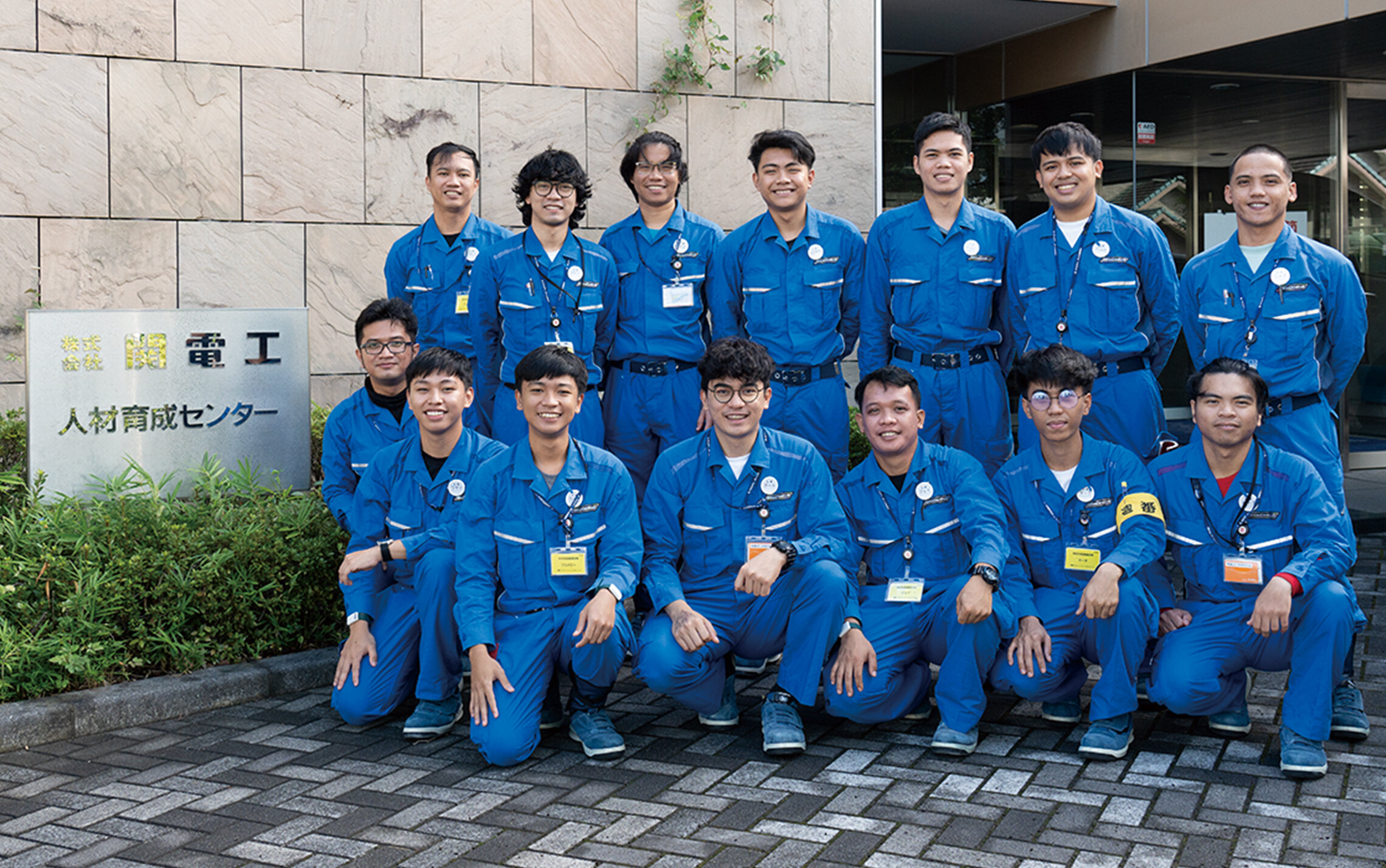
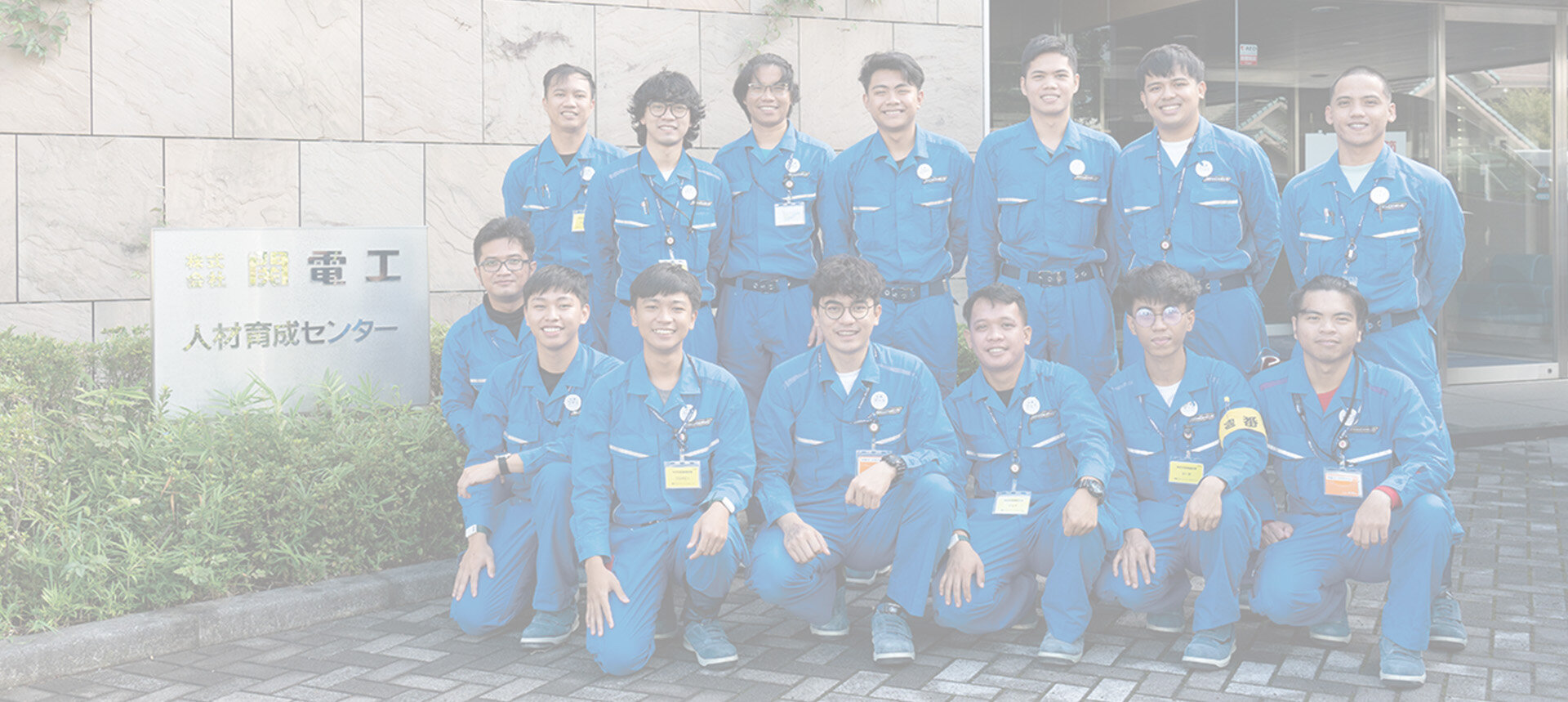
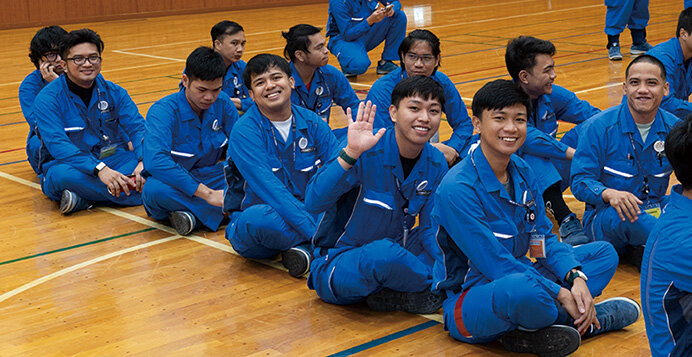
Kandenko Corporation began accepting Filipino Specified Skilled Worker in 2024 and is conducting its first-ever training program for foreign nationals at its "Human Resource Development Center" in Ushiku City, Ibaraki Prefecture. The center provides instruction in Japanese language and culture, as well as business etiquette and specialized technical skills. By providing education using the same curriculum as Japanese nationals, the company aims to foster collaboration that transcends nationality.
INTERVIEW
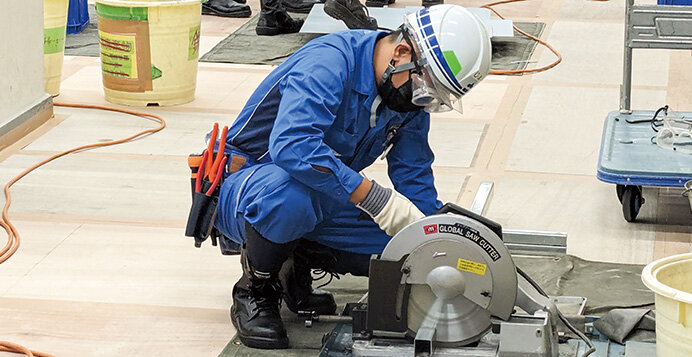
Introduction of the Center Director
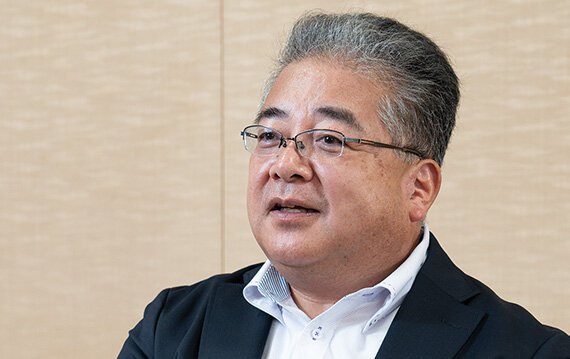
Director of the Human Resources Development Center
Tomoyuki Kudo
All new employees undergo training.
Educational facilities
At Kandenko, all new employees undergo training at the "Human Resources Development Center" in Ushiku City, Ibaraki Prefecture. More than 300 new employees, from administrative staff to skilled workers, gather together for a two-week program where they learn about business etiquette and basic professional skills, gaining a comprehensive understanding of Kandenko. Following this, they progress to specialized training for their respective job roles, with some employees spending six months at the center to acquire specialized skills. Kandenko has established a continuous training system, including follow-up training after on-the-job experience. New Specified Skilled Worker also receive the same curriculum as Japanese employees, ensuring equal educational opportunities.
Consideration and ingenuity for cultural differences
To ensure smooth training for foreign nationals, we take great care to respect cultural and customary differences. In particular, we provide pre-training to our staff regarding meals, religion, and lifestyle habits to prepare a welcoming environment. Furthermore, we use icons and English in our signage within the center, and we have taken great care to the smallest details, such as providing photographic instructions on how to place hair dryers in the communal bath. Through these efforts, we are creating an environment where Specified Skilled Worker can live comfortably and adapt smoothly to Japanese culture.
Nurturing the next generation of leaders
Our current goal is Specified Skilled Worker to gain a deep understanding of Japanese culture and customs, and to grow into teachers themselves in the future. Ideally, our first group of workers, currently accepted, will become capable of mentoring the next group of foreign employees. We are also focusing on helping them acquire qualifications and improve their skills so that they can move up from Specified Skilled Worker (i) to No. 2 and thrive in Japan in the long term. We hope that they will utilize their experiences at this center to demonstrate their abilities and succeed in their careers.
INTERVIEW
Instructor Introduction
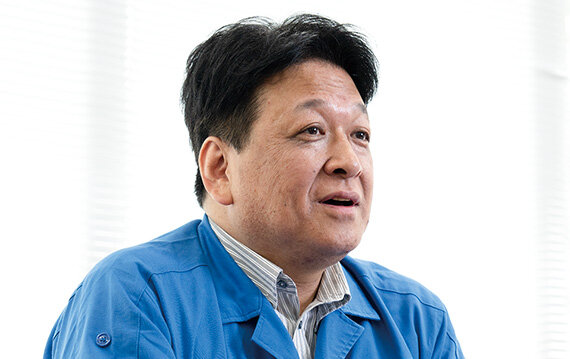
Training Team Leader
Shigenori Yashiki
Online training
Addressing pre-training anxieties
Before Specified Skilled Worker arrived in Japan, we conducted a three-day online training course. The instructors used photos and videos to introduce the center's facilities and living environment, and provided detailed explanations of their rooms and other accommodations, in an effort to alleviate any anxieties they might have about living at the center.
Even though he's shy
Outside of training, they are surprisingly sociable.
While they seem reserved during their training, they are very sociable in their private lives. They've invited me out to eat before, and on one occasion they were having a fun conversation in English with my child via LINE. They also have a proactive side, so I'm sure they'll do well in Japan.
INTERVIEW
Instructor Introduction
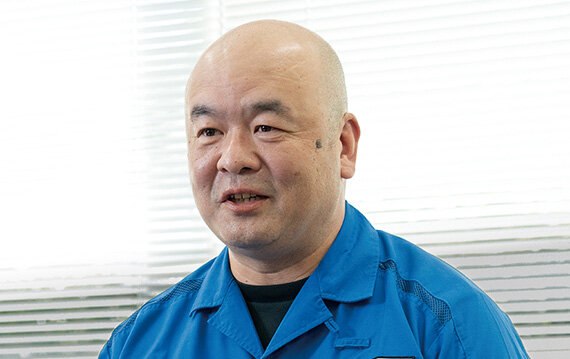
Internal Work Supervisor
Shinichi Harayama
Incorporating gameplay
The practical curriculum is well-received.
Our plumbing training incorporates a competitive curriculum that simulates a skills competition. This format, which measures work time and encourages trainees to devise efficient ways to complete tasks, is very popular with Specified Skilled Worker. The game-like nature of the program naturally increases concentration, making it enjoyable for trainees to acquire skills.
Fostering two-way communication through journaling
communication
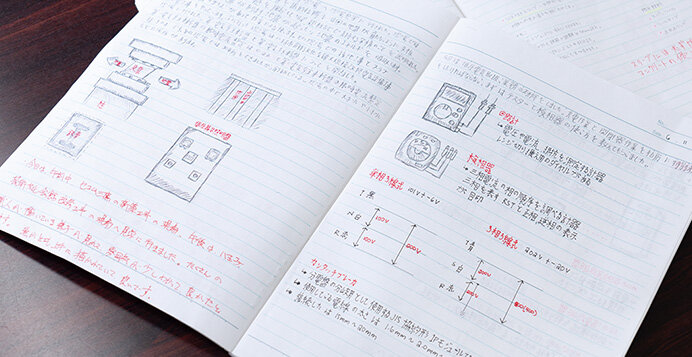
The daily log has become an important communication tool between instructors and Specified Skilled Worker. They can't write Japanese very well yet, but instead they draw pictures of the tools they used that day and the wiring they learned about. I'm always impressed by how good Specified Skilled Worker are at drawing. They also try their best to write down their questions and doubts, so we instructors make sure to write back to them carefully.
Trainee's VOICE
Voices of Specified Skilled Worker
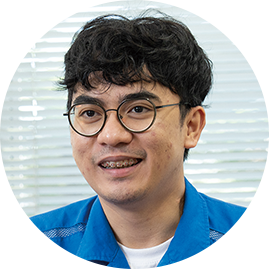

Paul
(Philippines)
Have you ever been surprised by anything in Japanese culture?
In the Philippines, trains are noisy, but in Japan, it's quiet, and I was amazed at how everyone strictly follows the rules. Japanese people never cross the street at a red light, but many Filipinos don't follow that rule. Japan is truly a great country.
Please tell me your future goals.
My first goal is to pass the electrician's license exam, and then I want to hone my skills and become a manager at Kandenko. I've been interested in Japanese culture since I was a child, and I've even made onigiri and ramen after seeing them on YouTube. It was my dream to live in Japan, so I'm very happy that it has come true.
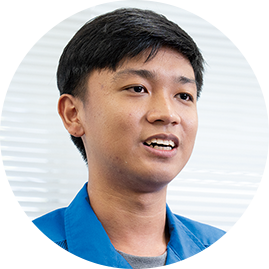
ジェイビーさん
(Philippines)
How is life at the center?
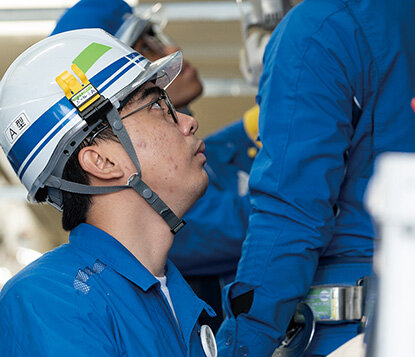
I wasn't used to bathing with other people, so I was embarrassed at first. But the center was convenient, there were many kind people, and it was very comfortable. In my free time, I enjoyed playing basketball in the gymnasium or taking walks in the park.
What was the most difficult part of the curriculum?
Listening to and communicating in Japanese was the most difficult part. However, thanks to the teachers and people around me who spoke in simple Japanese, I was able to learn in an enjoyable way. Having an environment where questions were answered immediately allowed me to work with confidence.
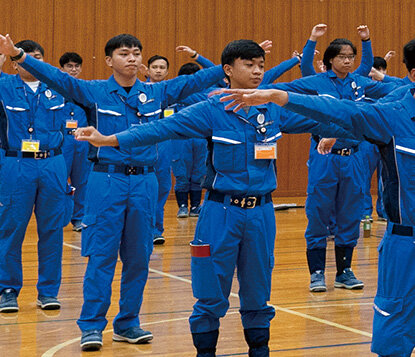
FACILITY
Facility Introduction
We have increased the amount of English signage within the facility and incorporated simple kanji characters to create a foreign-friendly environment.
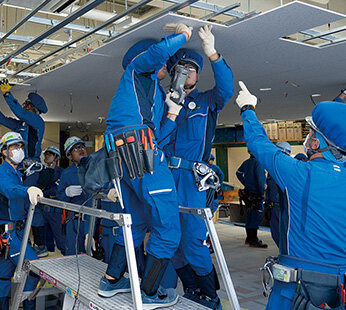 Practical training room
Practical training is conducted based on blueprints, simulating actual work environments.
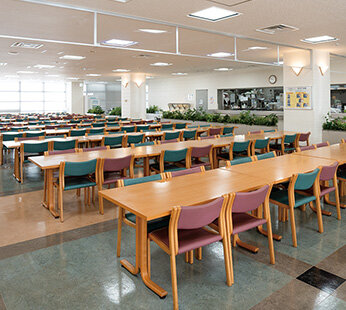 dining room
The training participants eat all three meals—breakfast, lunch, and dinner—in this cafeteria.
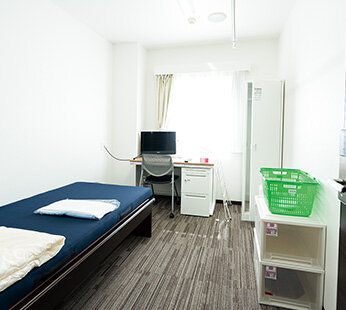 Guest rooms
All rooms are equipped with card key access. Enjoy a comfortable and private space in your individual room.
September 2024 interview