The connections we've made with those who have returned to Japan are a valuable asset to our company.
2024.09.06


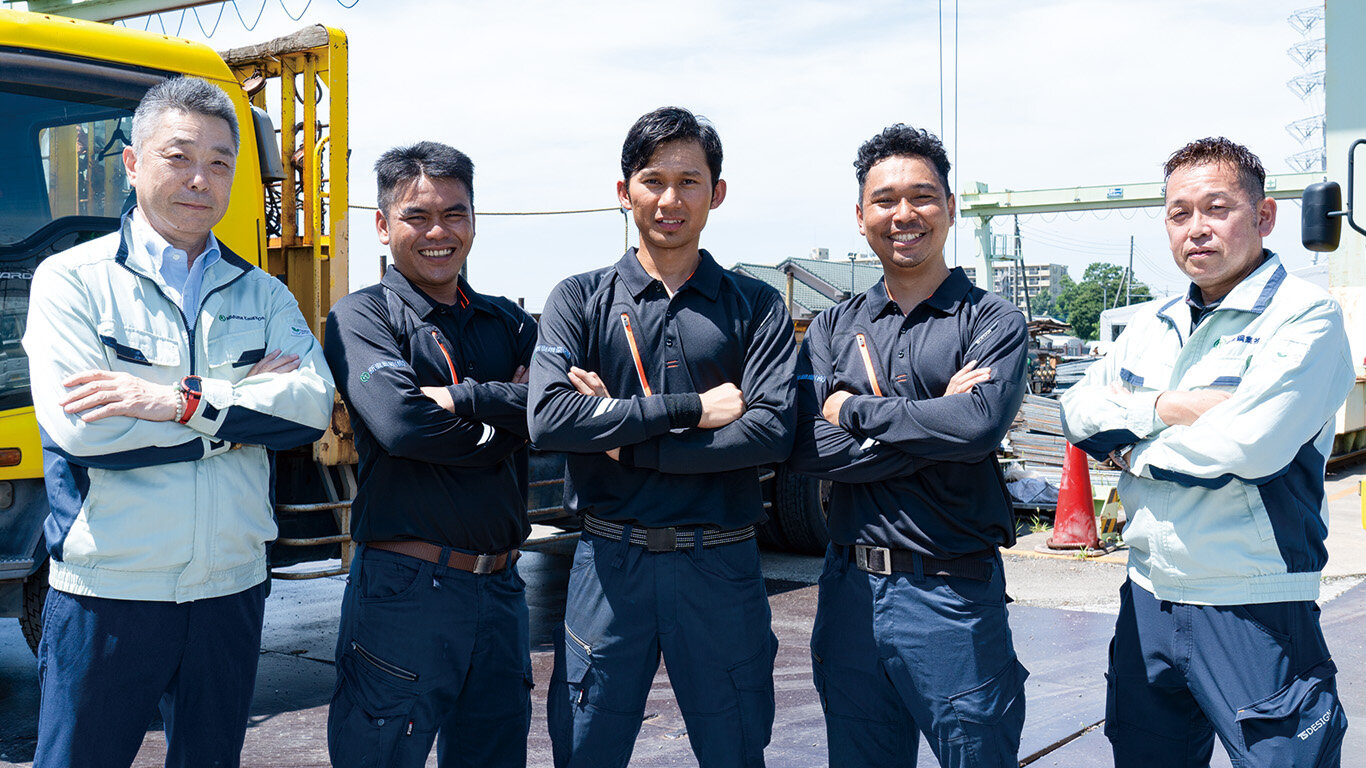
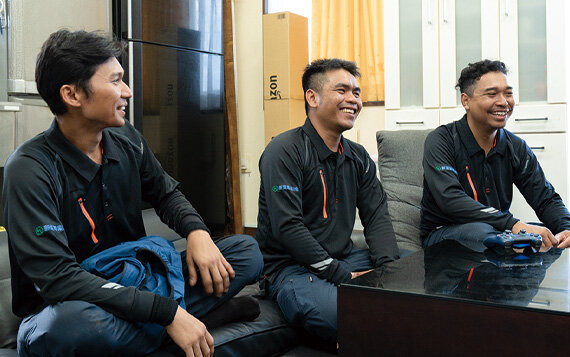
NIIDUMA KOGYO.CO.,LTD. in Saitama Prefecture began accepting foreign workers in 1999 and continues to employ many foreign nationals today. This time, we introduce the voices of Mr. Niizuma, the company's representative, and three Indonesian employees. (Interview conducted on July 26, 2024)
Company Profile
| Location: | 460 Handa, Misato City, Saitama Prefecture |
|---|---|
| Business details: | Reinforcement bar construction business |
| Number of employees: | 64 people |
|
Acceptance status
Specified Skills: 5 people Technical Intern Training: 7 people (Indonesian, Vietnamese) |
|
| Website: | https://www.niiduma.jp/ |
| Initial setup: | Securing dormitory accommodation, providing household appliances and Wi-Fi access, transportation to and from work sites, and conducting interviews and providing interpretation services by Registered Support Organizations (RSO), etc. |
Salary Image
- Specified Skills(Monthly basic salary)
Approximately 240,000 yen
* Salary increases based on skill level and proficiency. - Technical Intern Training(Monthly basic salary)
約19万円
Interview Host Companies
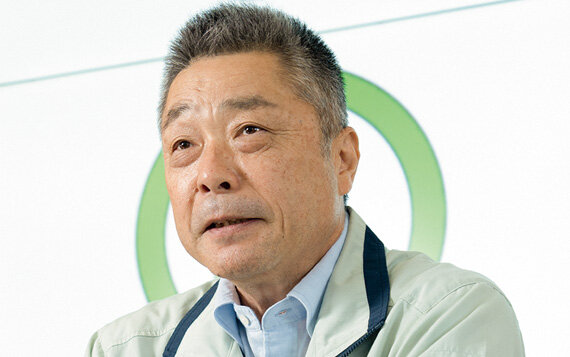
President and Representative Director
Naohiro Niitsuma
What were the reasons for deciding to accept them?
We started accepting Indonesians more than 20 years ago, and even back then, there were concerns about the declining number of Japanese workers entering the construction industry. So we started accepting Indonesians, and we were surprised to find that they learned Japanese quickly and worked very diligently. We were amazed by their strong desire to work in this country.
What were the benefits of accepting it?
Indonesian youth are pure and earnest. Perhaps because of their character, they are very good at looking after their juniors who have also come from their home country. I am moved by how hard they work to adapt to life in a foreign country, knowing that if they cause problems at work or elsewhere, it will cause trouble for the next generation of juniors.
What measures or precautions do you take after accepting them?
When we first started accepting Indonesian employees, a Muslim employee accidentally ate pork during a company barbecue. Seeing him in tears made us realize that we needed to be more careful. We felt that we, as a company, needed to properly consider their religious beliefs, and we are now mindful of this not only with food but also with places of prayer.
Please send a message to companies planning to implement this system.
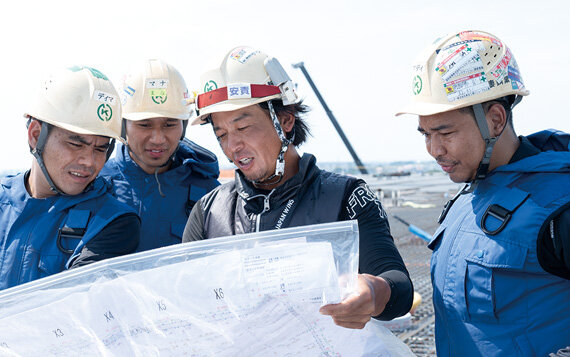
Treating "foreign talent" as something special may be outdated. The construction industry will undoubtedly become increasingly globalized. Even now, it's no longer unusual to see foreigners walking around town, even in rural areas. In our area, the number of supermarkets handling imported food products is also increasing. In this context, accepting foreign workers is surely an important option in efforts to attract talented individuals to the construction industry, regardless of their nationality.
Voices from those working on-site
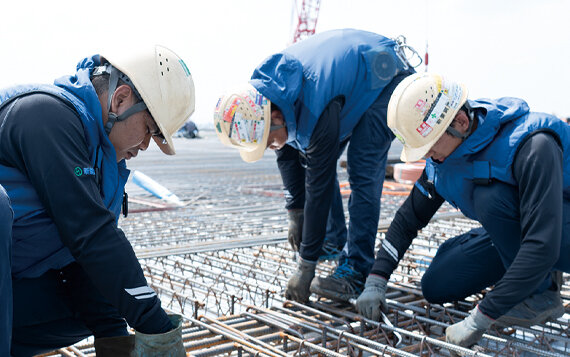
We spoke to three Indonesian employees of the company about their work and life in Japan, as well as their future goals.

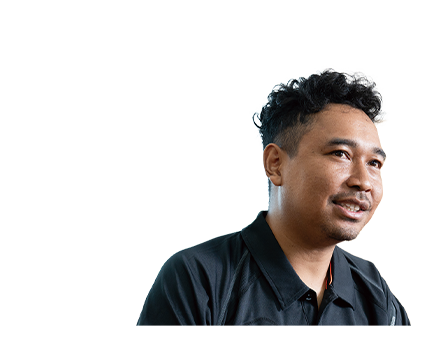
WIRAHMANA
Life in Japan is full of surprises! It's fresh, never boring, and fun.
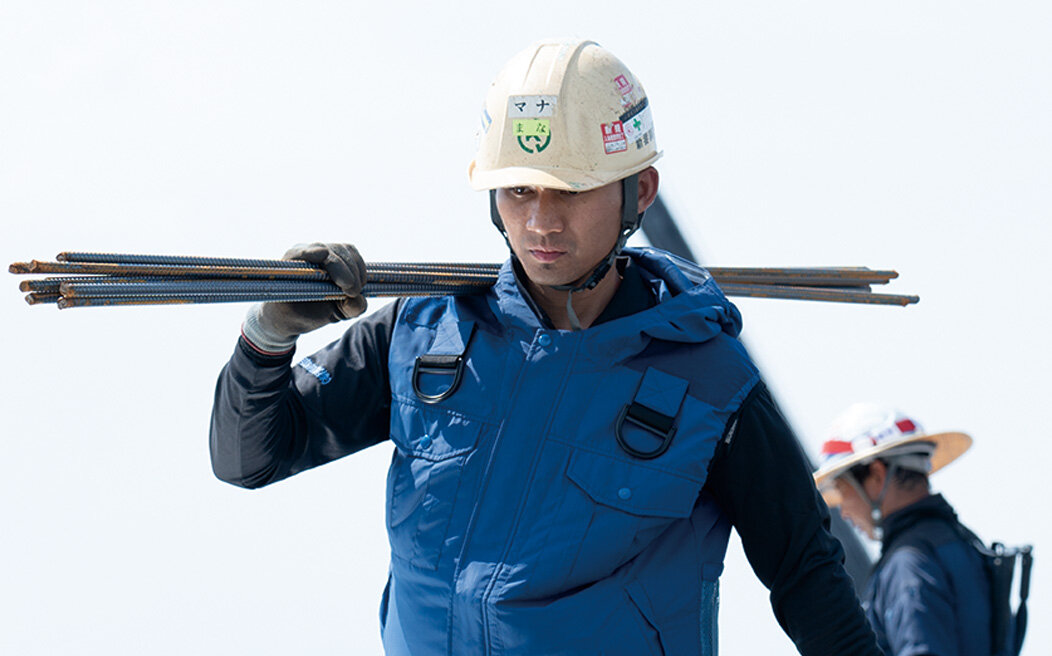
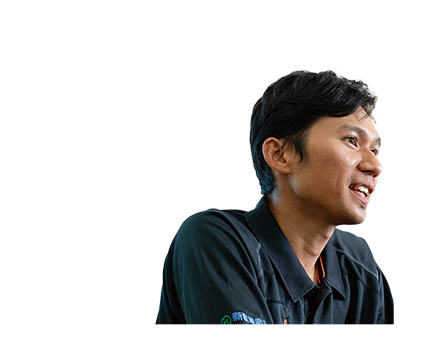
WIRAHMANA came to Japan in 2014, says she was constantly surprised when she first arrived. "It was the first time I'd ever seen snow. I was always worried about accidents happening when going to work sites or while working." As a Muslim, she was careful about what she ate. "I can't eat pork, so I was careful about the meals I was served. Japanese food is delicious, but natto (fermented soybeans) surprised me!" She still doesn't like it.

ディマ
Being needed by the company is what makes me happiest.
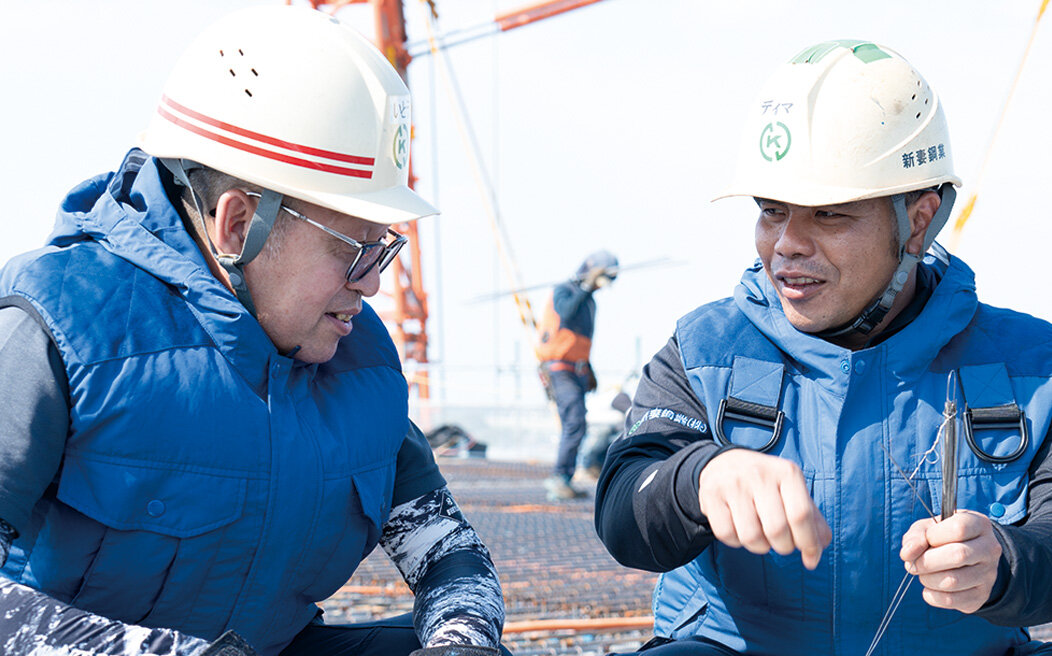
DIMA says she's happy that her work knowledge has increased since becoming Specified Skilled Worker. "Before, even when I was on-site, I could only understand simple tasks, but since transitioning to Specified Skilled Worker (i), the level of work has risen, and it's more rewarding." She also feels that the company needs her skills. "By learning as much Japanese technology as I could, which was my goal when I came to Japan, I want to contribute to the company even more."

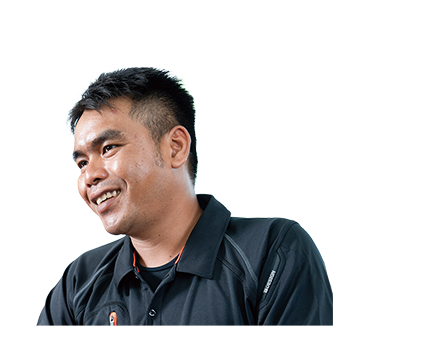
アディ
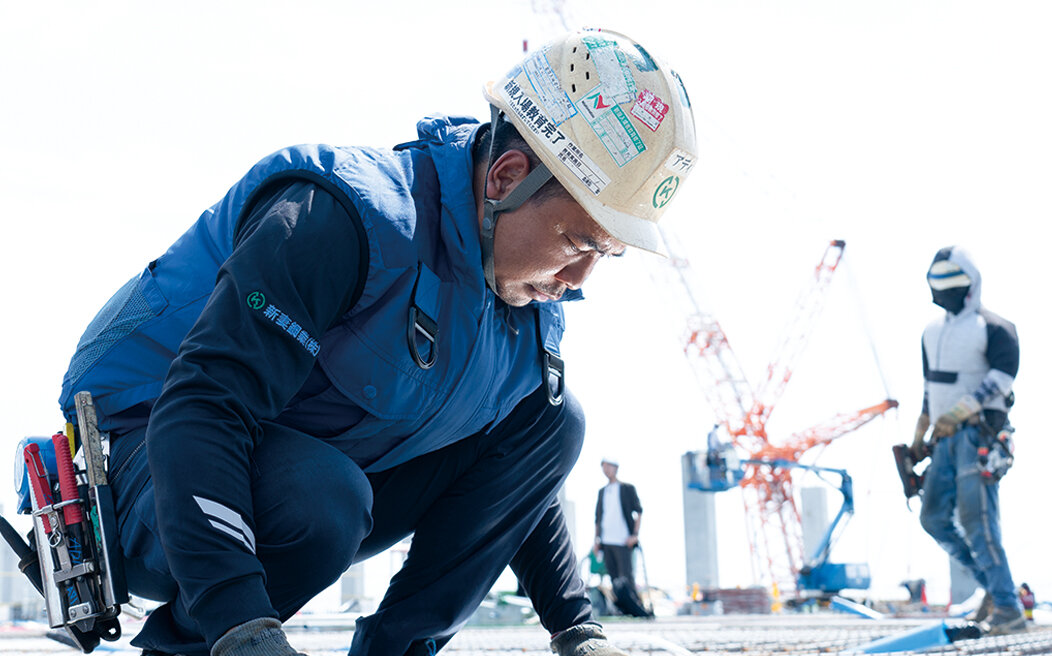
My dream is to open and successfully run a restaurant in Indonesia!
ADI reason for coming to Japan was to fulfill his dream. "I want to open a restaurant in Indonesia, and I'm working to save up the funds for that." In fact, after working in Japan as Technical Intern Trainee, he tried to open a restaurant in his home country, but it failed. "I will definitely succeed this time!" When we asked him if he would be willing to serve Japanese food, he readily agreed with a "OK!"