2025.07.31


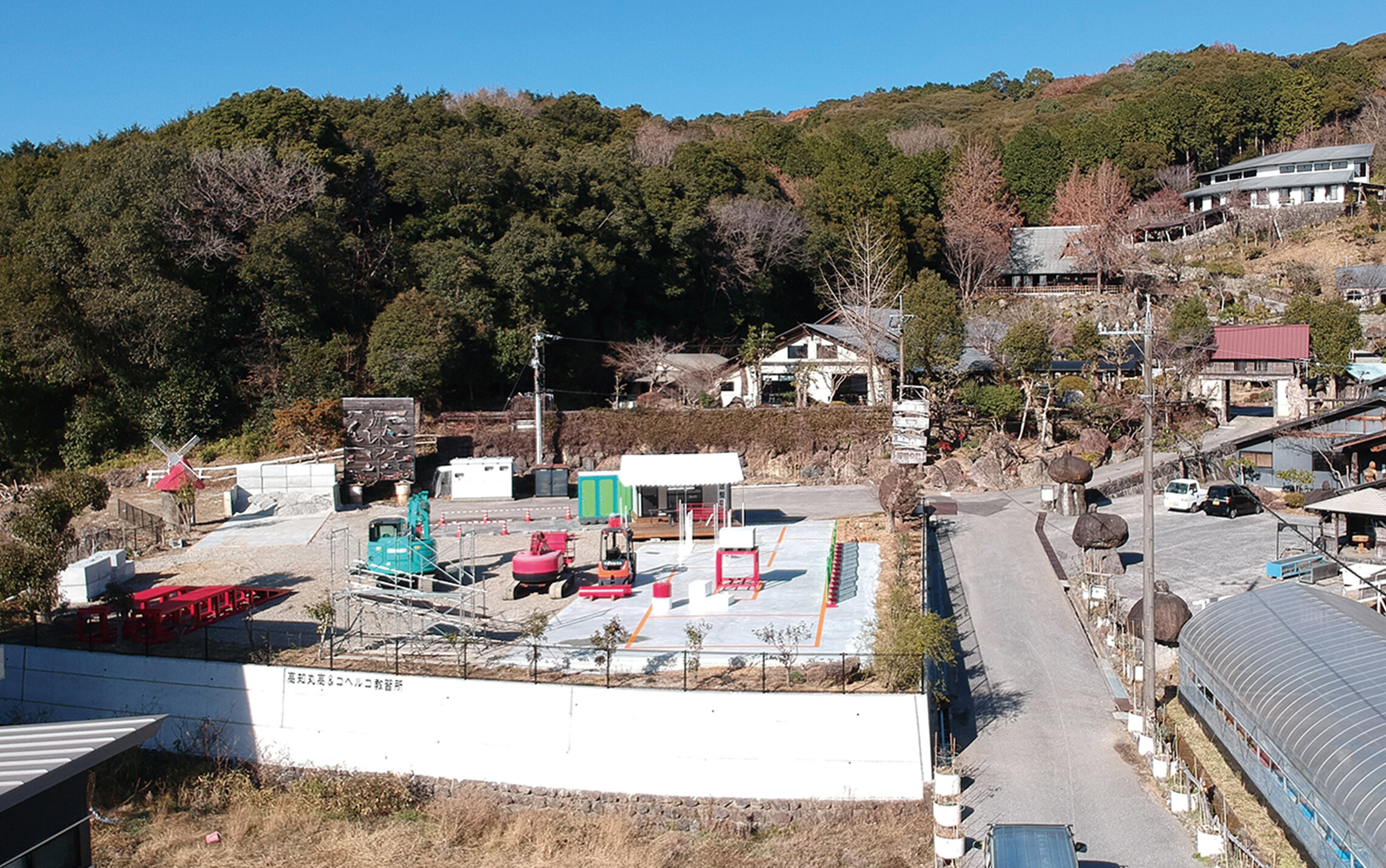
The Kochi Construction Machinery Skills Center was established in 2022 as a training facility operated by KOCHIMARUTAKA Co., Ltd., with the aim of expanding opportunities for obtaining qualifications in the Shikoku region. It provides a safe learning environment for foreign students through multilingual support and the presence of interpreters. Through training courses on various qualifications and safety education, the center aims to foster talent and collaboration across national borders within the construction industry.
INTERVIEW
Introduction of the person in charge
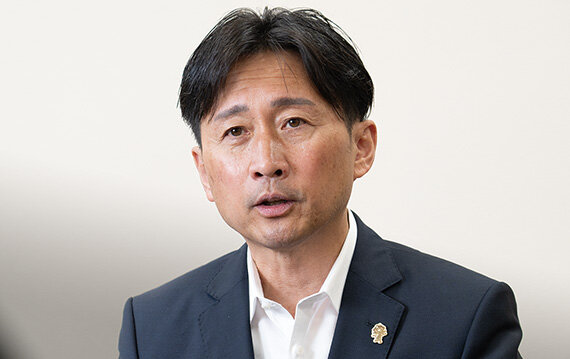
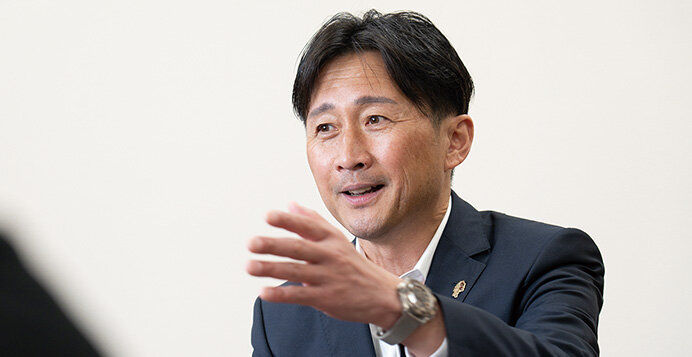
President and Representative Director, KOCHIMARUTAKA Co., Ltd.
Ichiro Takano氏
Could you tell me about the circumstances surrounding the establishment?
In Shikoku, there were very few training centers where foreigners could receive skills training, and it was necessary to travel to distant places such as Osaka to obtain qualifications. The burden of transportation and accommodation costs was heavy, and it was a major challenge for local businesses. In response to this situation, the Kochi Construction Machinery Skills Center was newly established by repurposing a building owned by the company. With the cooperation of the Kobelco Training Center Matsuyama Training Center, it started as a facility equipped with multilingual support. It opened in 2022 and now accepts students not only from the local area but also from other prefectures.
What are the unique features of this facility?
The Kochi Construction Machinery Skills Center utilizes a building that was formerly operated as an accommodation facility as its training venue. The facility, which once had a hot spring and a venue that could accommodate up to 100 people, ceased operations due to changing times. Afterwards, it was repurposed as a training facility. Currently, accommodation services are suspended, and only day-trip training courses are offered, but the resumption of accommodation services in the future is being considered. A major feature of the center is that it takes advantage of the facility's size to provide a comfortable environment for trainees to take their courses.
What courses are offered and what languages are supported?
Currently, we offer five certification courses: forklift operation, rigging, small mobile crane operation, construction machinery operation, and gas welding. The courses are available in five languages: Burmese, Indonesian, Chinese, English, and Vietnamese. We provide interpreters for our students (Vietnamese interpreters must be arranged by the student) to ensure a comfortable learning environment. We also translate our course materials in-house to meet the needs of our multinational student body. This commitment to ensuring students understand the material without language barriers is a unique feature of the Kochi Construction Machinery Skills Center.
Please share your thoughts on talent development.
I believe that training is essential to preventing accidents on the job site and to the growth of both the individual and the company. Even with textbooks in one's native language and interpreters, it's not easy to truly understand specialized terminology and the unique dangers of the workplace. That's why a system where experienced senior staff with specialized knowledge teach carefully is necessary. For example, a warning like "Don't go under a suspended load" only becomes meaningful when the context behind it is conveyed. Training takes time and effort, but it's not a cost; it's an investment in safety and trust. Those who teach become the next generation of trainers. I believe creating such a cycle is indispensable for workplaces going forward.
Please tell me about future developments.
Currently, we offer training in five languages and five courses, but in the future, we are considering expanding to more languages and training subjects. There are currently about 6,000 foreigners living in Kochi Prefecture, and we have been working on awareness-raising activities through local events. In the future, we would like to expand opportunities for safety education not only to the construction industry but also to fields such as nursing care and automobile maintenance. At the same time, we will strengthen cooperation with the prefecture and companies, and by utilizing subsidy programs and improving public relations, we will work to create an environment where more people can learn with peace of mind.
INTERVIEW
Person in Charge Introduction
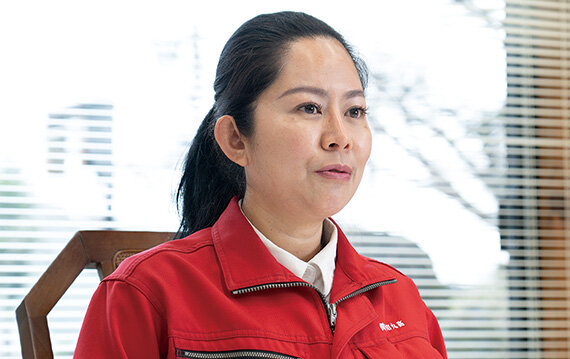
Sales Management Department, Disaster Prevention, Technology, and Public Relations Section
Emalia氏
A 50-year-old accommodation facility
A safe learning environment
We are renovating a facility built about 50 years ago to serve as a training ground. The interior was also old, so we replaced the lighting and wallpaper, and installed new partition walls in each room. We also repaved the outdoor training area to create an environment where heavy machinery can be handled safely. We are paying particular attention to creating an environment where students can learn in a relaxed atmosphere.
To return safely
Don't forget to keep learning.
Our trainees have come to Japan from faraway countries and are working very hard. That's why we want them to return home safely to their families without any accidents. What we want to convey to them is that they should never operate heavy machinery without a license. Learning properly and acquiring the correct knowledge is the best way to protect themselves, so we want them to make use of our facilities for that purpose.
Trainee's VOICE
Testimonials from graduates
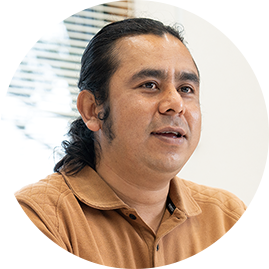

Wei Yang Mo Mint
(Myanmar)
What are the attractions of the Japanese construction industry?
I believe Japan has very advanced technology compared to other countries. That's why I came to Japan, hoping to work with Japanese people. In Myanmar, I worked at a bank, but I realized that I'm more suited to physically active work than sitting at a desk, so I decided to take the plunge and try my hand at the construction industry.
What did you learn in the training course?
I learned a lot about rigging and other related skills. I'm putting that knowledge to good use in my current job, and I haven't found anything particularly difficult. I also practiced operating heavy machinery at a sending organization in Myanmar, so driving in Japan went smoothly. I would like to stay in Japan for another 10 years or so as Specified Skills.
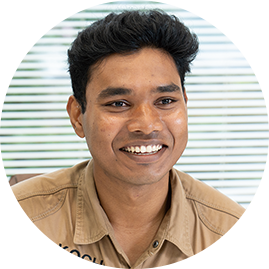
Pyo Tek Kain
(Myanmar)
What brought you to Japan?
The main reason I came to Japan was because I wanted to work in a safe place, as Myanmar is still in civil war. I chose the construction industry because I was able to come to Japan. In Myanmar, I sold car parts, so I was interested in working with machinery, and now I work in a factory doing rigging, welding, and cutting machine work.
What was the most memorable thing about the training course?
Gas welding was the most difficult part. However, I gradually got used to it by reading Burmese textbooks and receiving help from my seniors and teachers. I like Japanese anime and movies, so I wasn't surprised by the cultural differences. I would like to continue working in Japan and acquiring new skills.
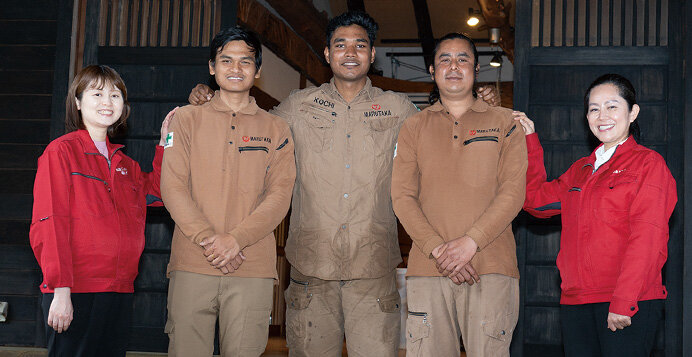
FACILITY
Facility Introduction
We have renovated a 50-year-old facility to create a comfortable learning environment.
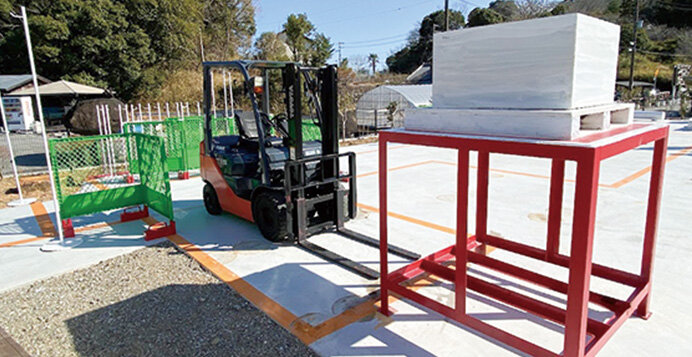
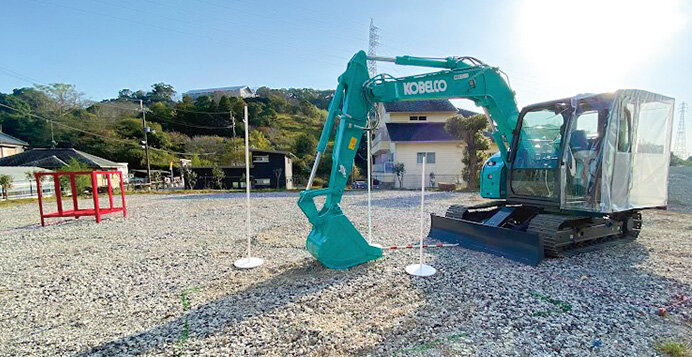
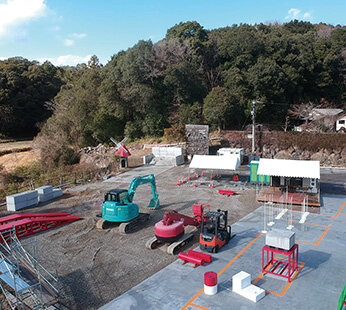 Practical training area
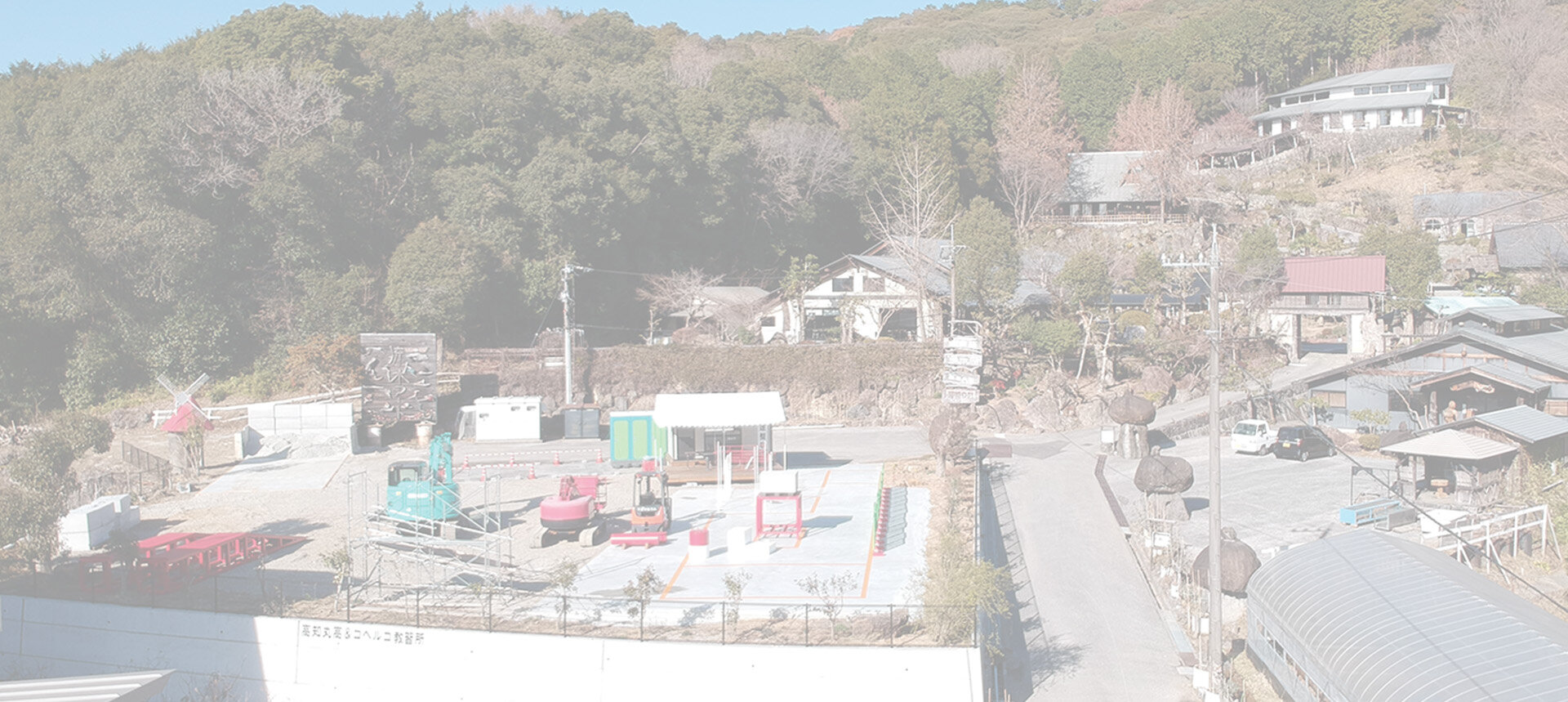
The garden, which was originally planted with plants and kept animals, has been repurposed as a practical training ground.
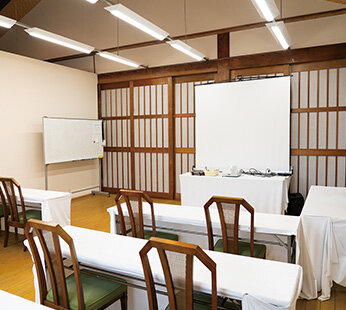 Laboratory
The entire room is being renovated, including the installation of new walls and lighting fixtures.
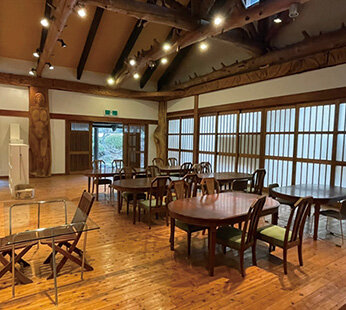 hole
We have installed a hall that can accommodate large groups by utilizing the banquet hall.
March 2025 interview