
Cultivating from a blank slate
We want to have colleagues who can work with us for a long time.
2026.07.31



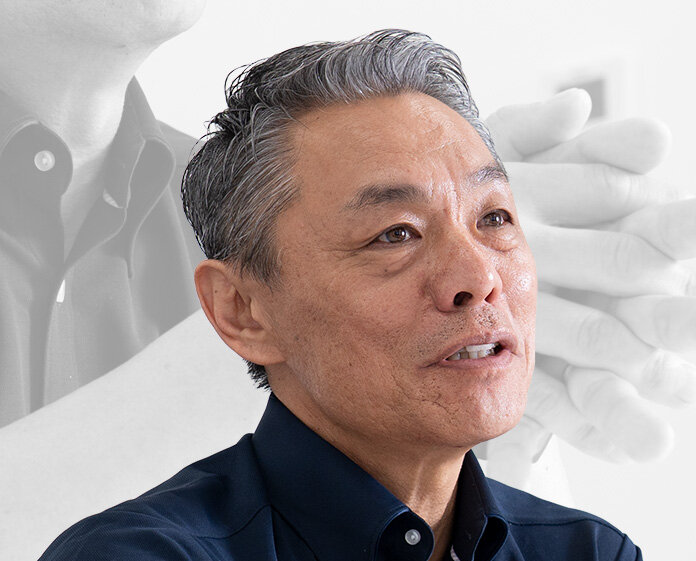
Chairman and Representative Director
Hiroaki Nonaka
Since starting to accept workers in 2008, Chairman Nonaka has continued to recruit from a multinational pool of countries including China, Vietnam, and Indonesia. While maintaining the stance of welcoming them not as "cheap labor" but as reliable assets, he has also felt the limitations of constantly changing the countries of origin for recruitment. He says he wants to cultivate "blank slate talent" without preconceived notions and make them colleagues who can work with the company for a long time.
I want to nurture people who are completely open-minded and free from preconceived notions.
What were the biggest challenges in accepting them?
The biggest challenge was changing the mindset of Japanese craftsmen after accepting foreign workers. A culture of "learn by watching" is deeply ingrained on the job site, and many craftsmen feel that patiently teaching is a waste of time. We repeatedly asked them to stop work and explain things in detail to foreigners who faced language barriers. Frankly, changing that mindset was the most difficult part.
What are the reasons for continuing to accept them despite this?
"The main reason we decided to accept foreigners is that we want to nurture people with a fresh perspective. Japanese craftsmen with long on-site experience sometimes unconsciously use past methods as their standard. But foreigners with no experience can honestly point out discrepancies with the blueprints. We want them to grow into people who can absorb everything from scratch without preconceived notions."
I want to settle down, face the situation head-on, and nurture the relationship.
What is the history behind accepting people from multiple nationalities?
We've changed the country of employment we use, from China to Vietnam to Indonesia. The main reason is that as a country develops, wage levels rise, making it harder to attract good talent. However, I feel there's a limit to this approach of moving to the next country every time that happens. No matter where we go, the same situation will just repeat itself.
So, what kind of measures should be taken?
We are shifting to a new policy of taking a firm stance with the countries that currently employ us and working together to develop solutions even if the situation changes. We will pay good talent a wage commensurate with their abilities, regardless of nationality, and encourage them to stay with us. Reaching agreement across the entire industry will not be easy, but we intend to start by changing what we can within our own company.
What kind of future do you envision?
I believe that talented individuals should have the option to live in Japan with their families. We don't want them simply to come as laborers; we want to welcome them as colleagues who will put down roots in Japan and support the company together.
You can tell a lot about a person by their posture.
What do you look for in an interview?
You can't judge a person's true character solely by how quickly they acquire skills and techniques. I believe that seemingly insignificant actions are far more important: Can they properly clean up after finishing a task? Can they help others after they've completed their own work? I tend to focus more on their attitude towards work and their consideration for others than on whether they perform well on an exam.
What are their appealing qualities after working with them?
One of their characteristics might be that they will follow the rules well if you explain them properly. If they can't follow them, we try to think of it as our own fault for not explaining them enough. We are sometimes surprised by cultural differences, but that's also our fault for not teaching them about Japanese culture, customs, and work methods. We believe that continuing to engage with them carefully is the foundation of trust. We believe that this accumulation of effort will lead to a long-term working relationship.
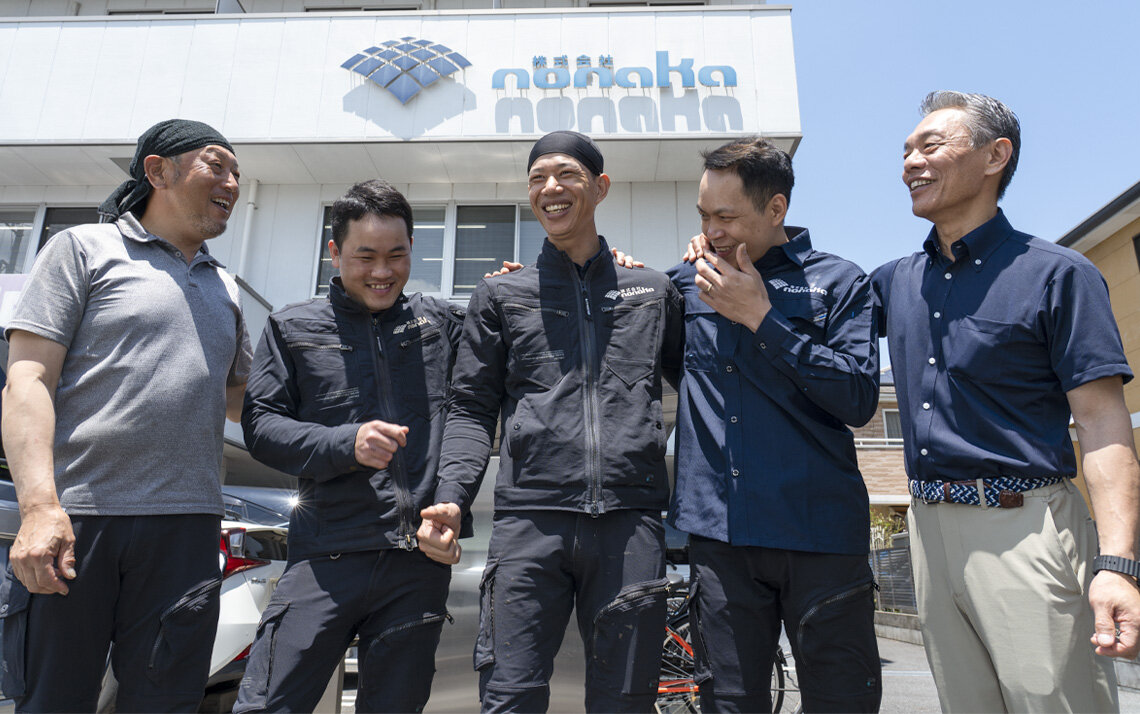
(Interviewed on June 27, 2025)