



First, try to learn their greetings.
I'm sure it will bring a smile to their face.
2023.07.01



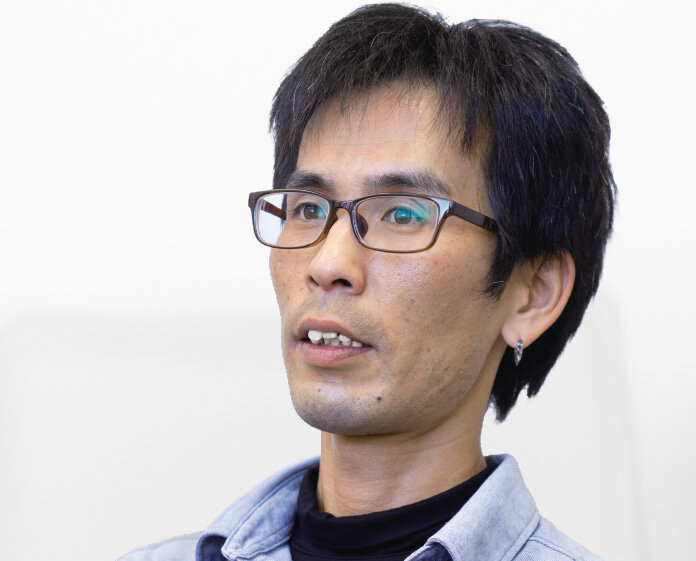
Executive Officer, General Manager, Pressure Pumping Division
Yuji Kitagawa
Mr. Kitagawa has been directly mentoring the Chinese workers since the company began accepting them, acting as a senior colleague on the job. She says there were many things she paid attention to in order to ensure they found their work fulfilling. What kind of efforts did she make?
Starting from an elementary school level, students can learn to converse within a year.
What was your first impression of working with Chinese people?
It would be a lie to say I had no reservations. After all, I was working with people from a different country, so there were language barriers, and our values regarding culture and lifestyle were different. There were some awkward moments at first. However, they were positive about their work, and I was impressed by that.
What did you do to improve your communication?
Initially, I taught them Japanese at an elementary school level, little by little. They were very diligent; I was impressed that they brought commercially available textbooks to work and studied even during breaks. As they did so, they memorized vocabulary and were able to have conversations to some extent after about a year.
To ensure safety, teach children to understand warning words.
What did you do to bridge the gap between you?
One way I communicated with them was by speaking to them in Chinese. For example, I knew a few basic greetings like "Xie Xie" and "Ni Hao." So I would speak to them when we met in the morning or during breaks. They seemed pleased that I was speaking to them in their native language, and they would smile.
Were there any specific things you paid attention to?
Ensuring safety is paramount on site. Therefore, we made sure they understood and memorized the meanings of words that warn of danger, such as "Dangerous," "Stop," and "Don't move." This is because if they don't understand the words we use in a moment of real danger, they might make the wrong move.
By listening to their thoughts, we aim to make them feel a sense of fulfillment.
Anything else?
I also made sure not to treat them with an overbearing attitude. I think this is the same for Japanese people as well, but if you scold someone harshly without listening to their side of the story, anyone will become intimidated and unable to perform. Their motivation will also decrease. In short, there's no benefit to it. I'm especially careful because it shows on their faces.
You were being especially careful about how you interacted with them, weren't you?
That's right. In my case, I always spoke politely to everyone. If I spoke in a casual, friendly tone, my language would inevitably become rougher. Especially when I was giving a warning, it would sound harsher than necessary. To avoid that, I still make sure to use polite language in my daily life.
What do you pay attention to when teaching someone a job?
I make a point of listening to their opinions on the details of their work. For example, regarding things like how to connect pipes or the pipe routes, I'll ask them, "I'm thinking of doing it this way, what do you think?" Then they'll offer their own ideas. This helps them approach their work with a sense of purpose. I think that's very important.
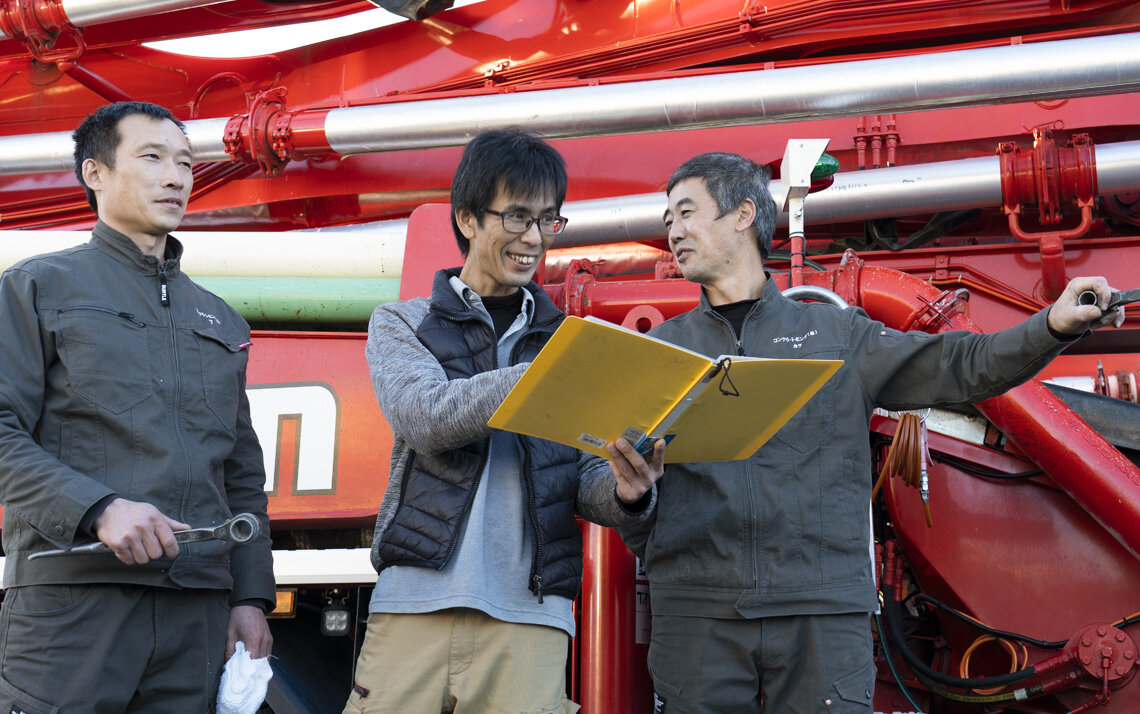
(Interviewed on December 2, 2022)
