


They are not robots.
I hope you'll raise them in a relaxed and carefree environment.
2023.02.01



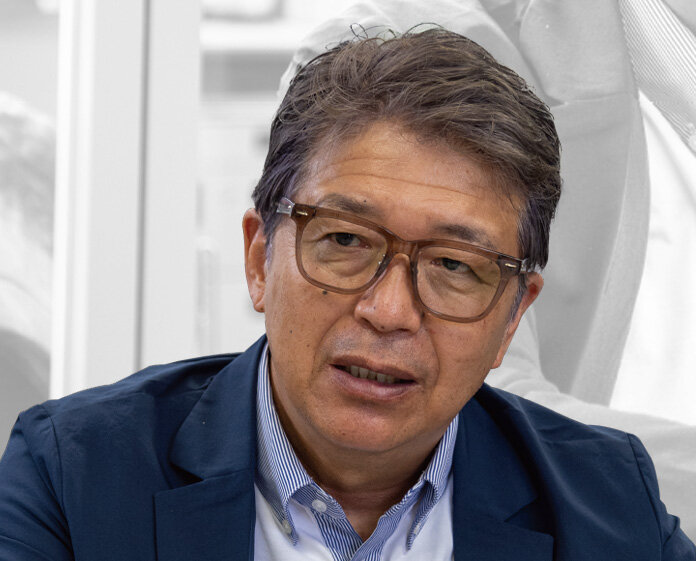
Chief Officer
Keishi Okamoto
Mr. Okamoto, who started accepting Vietnamese people in 2004 and has since trained many, shared her insights on a wide range of topics, from the initial stages of accepting Vietnamese to training and recruitment.
As a "father figure in Japan," I have a duty to ensure his safe return home.
Were you anxious when you first started accepting them?
My biggest concern was the interpersonal relationships they would have in the dormitory. Among men, hierarchical relationships can inevitably develop. I was worried about the possibility of bullying, so I visited the dormitory frequently. Since I took them in, I treat them like their "Japanese father." I believe it's my responsibility to ensure they return home safely and without any problems in their work or daily lives.
Was the training going smoothly?
The first group we accepted were Chinese, and they were very hardworking, so everything went smoothly without any problems. However, looking back now, I think we put too much effort into training the first group. We had to teach them not only their work skills but also Japanese, and that we had to convey Japanese culture and customs, so we interfered too much. I regret not being more flexible and letting them grow more freely.
Identify your strengths and weaknesses and find a position where you can utilize your individual strengths.
Have you gained any insights from your experience in training so far?
What we've learned from continuing to accept them is that it's necessary to give them a certain degree of freedom. In their work, they think for themselves and carry out tasks without us having to interfere, and they have a good sense of what's right and wrong. We tend to look at them in a broad category of "foreigners," but they are not robots. Each of them has their own personality, and some can do things from the start, while others cannot. I believe it's important to identify their strengths and weaknesses and let them work in positions where they can make the most of their abilities.
It's important to create an environment where each individual can thrive.
The same is true for young Japanese craftsmen. If you understand what they want, they will work hard for you. The first batch of Chinese trainees we accepted 17 years ago still call us every New Year. They earnestly ask, "How are you?" in Japanese that they have almost forgotten, and I find them incredibly endearing. I think whether or not you can build such relationships depends entirely on your own attitude.
I want people to see real life and get a sense of the national character and customs.
Please send a message to other companies that are considering accepting our services.
It might be important not to have excessive expectations from the start. It's natural that they won't be able to do the job at first, and they won't speak Japanese either. But because we try to treat them as if they're ready to contribute immediately, we get frustrated when they can't do things. However, there are individual differences, so in that sense, it's important to identify people who are more motivated during the interview.
What advice would you give regarding recruitment?
For example, to truly understand Vietnamese people, you should start by seeing their real lives firsthand—the infrastructure in their hometowns, what kind of food they eat, what kind of clothes they wear, and so on—to get a feel for their national character and customs. If possible, I'd also like you to visit the family home of the person you're hosting. If you do that much, I'm sure you'll be able to have a good relationship with them.
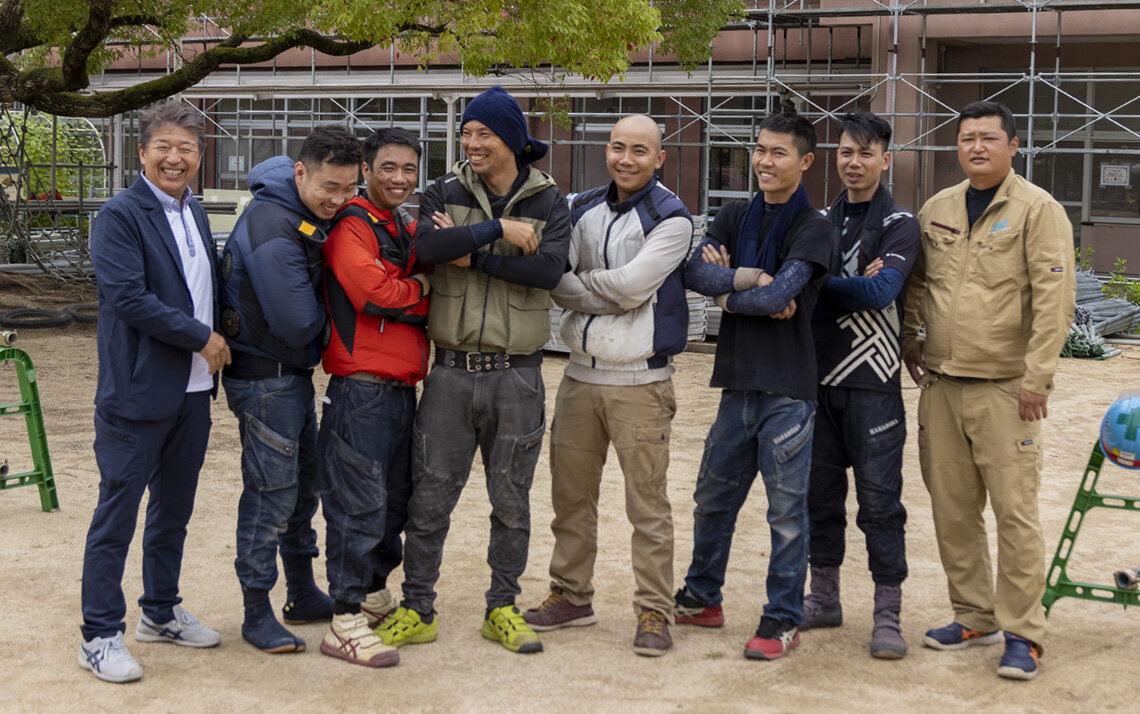
(Interviewed on July 23, 2022)
