


Sometimes I sided with them,
My role is to nurture them carefully.
2022.09.01


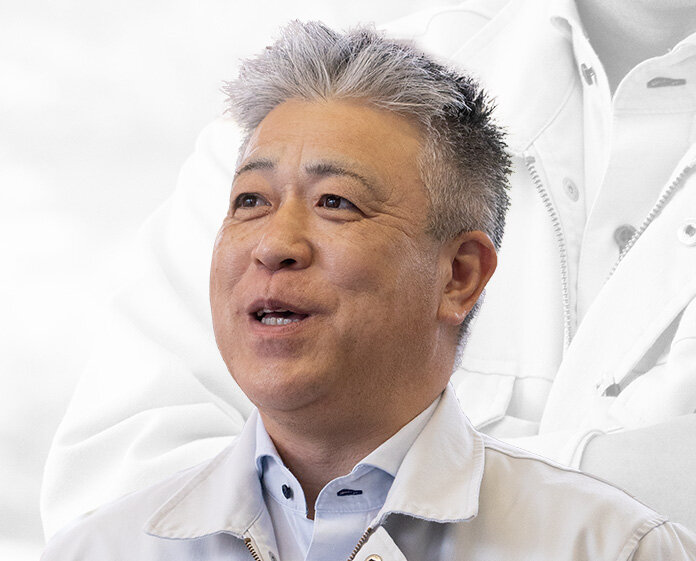
Department Head (Labor Safety Department, Materials Center)
Naoki Suzuki
Mr. Suzuki is responsible for the education and care of Technical Intern Trainee and Specified Skilled Worker at the worksite and in their dormitory life. We asked her in detail about the guidance and support she provides in their work.
His inherent diligence and friendly nature quickly won over the employees.
What were your initial impressions of foreigners when you first introduced the system?
When I first heard from the president that we had decided to accept Vietnamese Technical Intern Trainee, I was filled with nothing but anxiety. To be honest, I did think, "I don't want to deal with all this extra work." However, once we actually started accepting them, I found that we could communicate to a certain extent through gestures and body language, and because they are from a pro-Japanese country, they were very friendly, and my negative image of them quickly disappeared.
How was their performance?
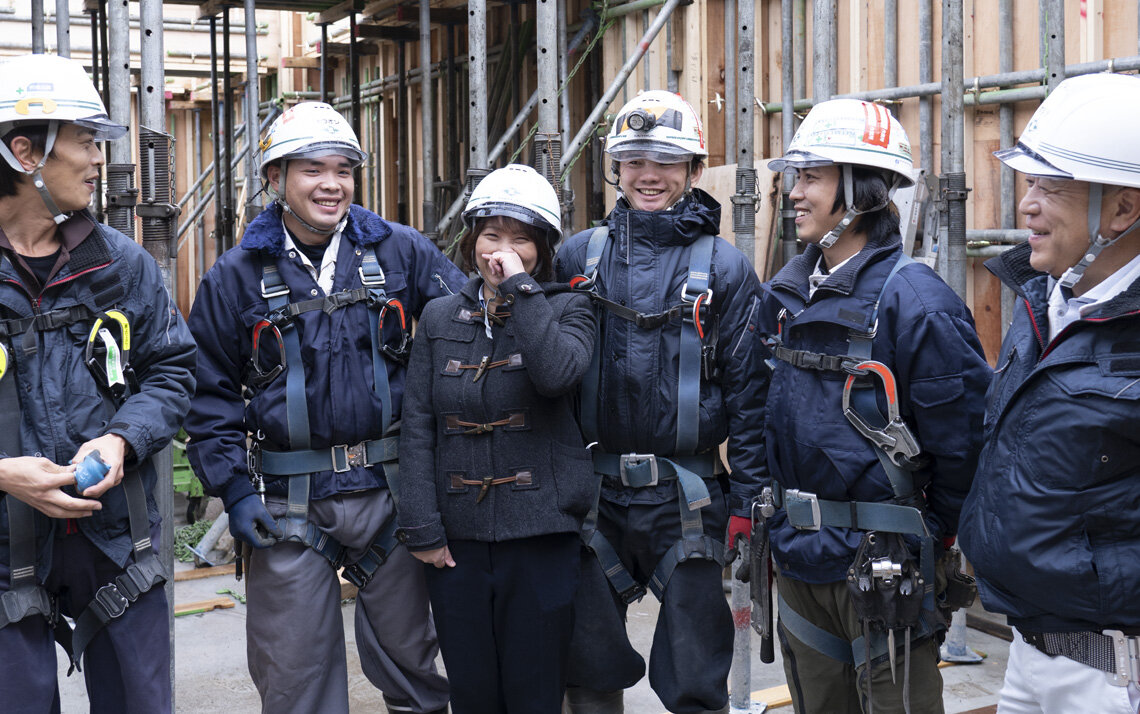
When we actually started working together, we found them to be very diligent and friendly, and they adapted very quickly. At our company, we work in teams of two or three people, and while some employees were initially hesitant about accepting foreigners, like me, many now happily prefer to work with them.
During the training, we used in-house Specified Skilled Worker who are proficient in Japanese as interpreters.
Were there any specific things you paid attention to when working together?
Before welcoming them, I researched Vietnamese culture and customs. Understanding differences in customs is extremely important. For example, for Vietnamese employees at our company*, touching someone's head is absolutely taboo. "The head is where the sacred spirit resides," and it is not acceptable to touch it for any reason. However, I think there won't be any problems if this kind of information is shared within the company beforehand.
*Vietnamese people in some regions
Are there any specific initiatives you're using for in-house training or other internal programs?
When providing training before dispatching workers or explaining safety rules on-site, we utilize commercially available DVDs with Vietnamese subtitles. While we generally use interpreters, sometimes specialized construction industry terminology that is difficult to translate into Vietnamese comes up. For such situations, we have Specified Skilled Worker who can act as interpreters, facilitating clearer understanding.
Are you pursuing any qualifications or certifications?
We conduct special training in-house. There are five types: safety training for workers handling circular saws, special training for oxygen-deficient and hydrogen sulfide hazardous work, special training for scaffolding assembly, special training for full-body harness fall protection equipment, and special training for tasks such as replacing grinding wheels. We could have had our employees take the training externally, but unfortunately, there are currently few places that provide interpreters. We have actually sent our employees to external training in the past, but most of them came back without understanding anything. Having had to relearn the material ourselves, we decided to conduct the training in-house.
Sometimes it's necessary to stand between the president and the employees and take their side.
Are you taking any measures to communicate safety precautions?
This is not only for the foreigners, but also for the Japanese employees. In the event of an accident or injury on site, we take photos of the situation and the injured area, post them on the dormitory wall, and share them with all employees. Words and text alone don't create a clear image, and it can feel like someone else's problem, so it doesn't serve as a deterrent. By showing everyone what actually happened and sharing it, we encourage them to be careful so that the same mistakes are not repeated.
How do you handle situations when problems arise?
This applies to all employees, but I work every day with the mindset that I am in a buffer position between the president and the employees. Even when those foreigners cause trouble, I firmly caution them, and if they reflect on their actions and change their ways, I believe we should support them. Strictness is important, but as members of the same company, I also believe it is necessary to nurture them with care.
(Interviewed on October 29, 2021)
