The reason for coming to Japan and the serious attitude towards the task
The source of their growth
2025.09.30


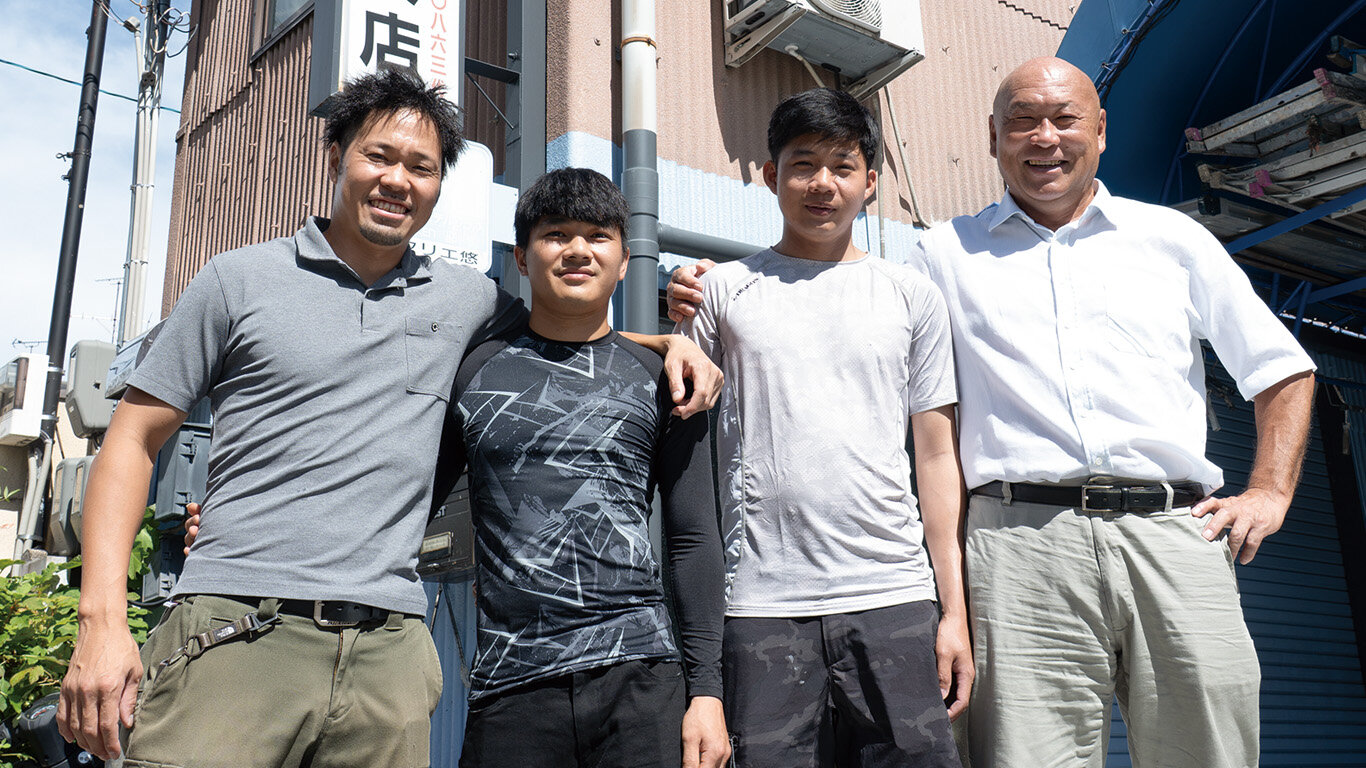
KOMUROTOSOU Inc in Kyoto Prefecture began accepting foreign workers in 2019 and continues to employ them today. This time, we introduce the voices of the company's representative, Mr. Komuro, and two Vietnamese employees. (Interview conducted on July 14, 2025)
Company Profile
| Location: | 8-42 Fukakusa Nishiura-cho, Fushimi-ku, Kyoto City, Kyoto Prefecture |
|---|---|
| Business details: | Building painting work / various renovation work |
| Number of employees: | 11 people |
|
Acceptance status
Specified Skills: 2 people Technical Intern Training: 1 person (All Vietnamese) |
|
| Website: | https://komuro-paint.com/ |
| Initial setup: | Housing, household appliances, bed, TV, Wi-Fi environment, and other complete living amenities. |
Salary Image
- Specified Skills (monthly basic salary)
Approximately 220,000 yen - Technical Intern Training (Monthly Basic Salary)
Approximately 180,000 yen
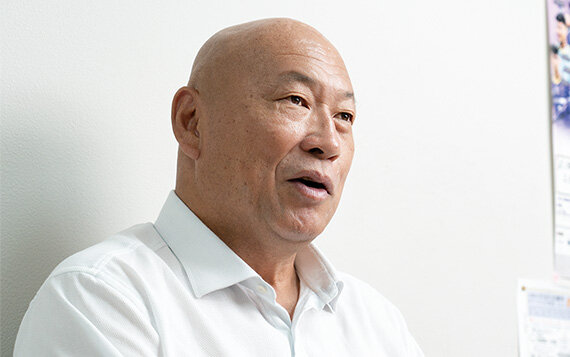
Interview Host Companies
Representative Director
Hiroyuki Komuro
What prompted the decision to accept them?
The reason we decided to adopt the Specified Skilled Worker program was that when the number of Japanese employees joining our company was noticeably decreasing, someone within the company suggested, "Perhaps we should consider accepting foreign workers?" We had no reservations about accepting foreign workers, but Technical Intern Trainee return home after only a few years. We wanted to work with them for a longer period, so when we heard about Specified Skilled Worker System we made an immediate decision. Based on how well they've worked, I think it was absolutely the right decision.
What were some of the things you did to improve your job training methods?
The biggest challenge was language. At first, my Japanese was hesitant, and I couldn't communicate effectively. I thought English would work, but that didn't either. After much deliberation, I decided that it would be faster for them to learn if I continued to communicate only in Japanese, even though I knew they wouldn't understand. Looking back now, I think that was the best way to improve their Japanese skills.
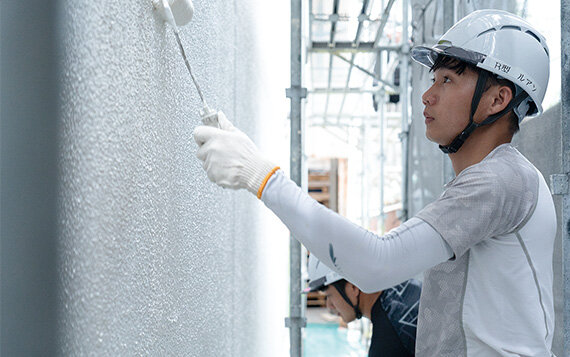
What kind of support is available for daily life?
These days, with just a smartphone, you can live abroad. Young people, in particular, are highly adaptable and quickly adjust to life in Japan. That's why I try not to interfere unnecessarily and treat them the same way I would a Japanese person, but it's important to build a relationship where they can easily consult me when they have a problem. I feel that even small anxieties about daily life can be resolved quickly if you talk to them.

Please provide a message for companies planning to implement this system.
I don't want people to mistakenly think of foreigners as cheap labor. Just like with Japanese workers, it's crucial to hire them properly and train them well. Our Vietnamese employees have grown to the point where they can communicate with supervisors in Japanese on-site. Some have even obtained driver's licenses and can be entrusted with managing projects on their own. If you train them to that level, they become a great asset and an indispensable part of the company. If you build a relationship of trust, they will surely become reliable colleagues who will reciprocate your efforts.
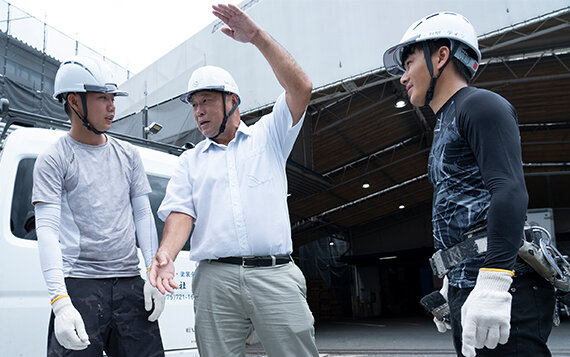
Voices from those working on-site
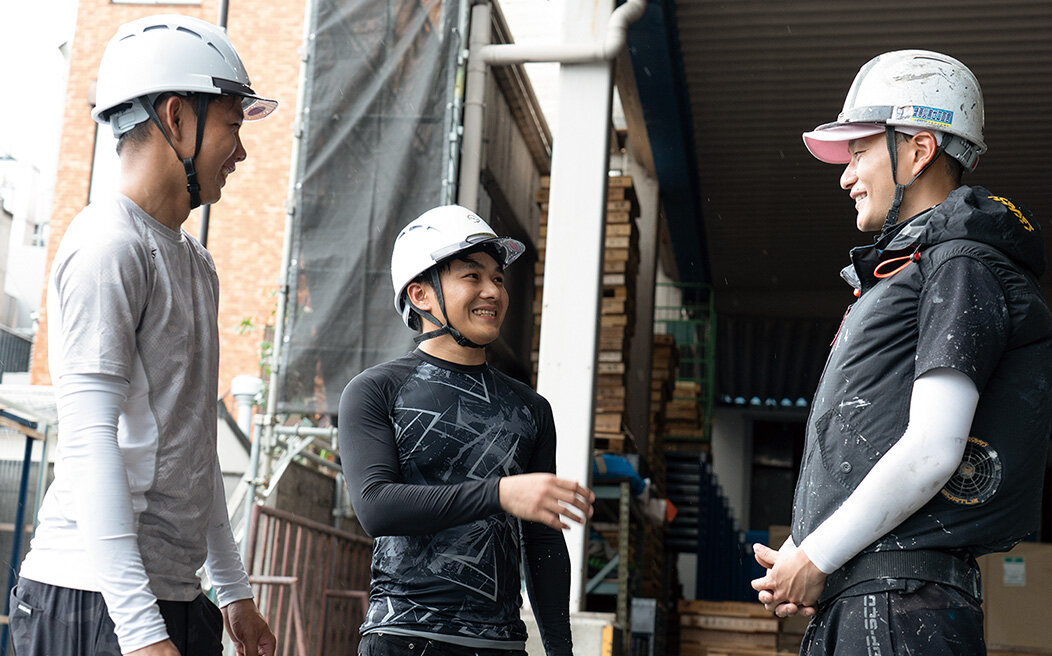
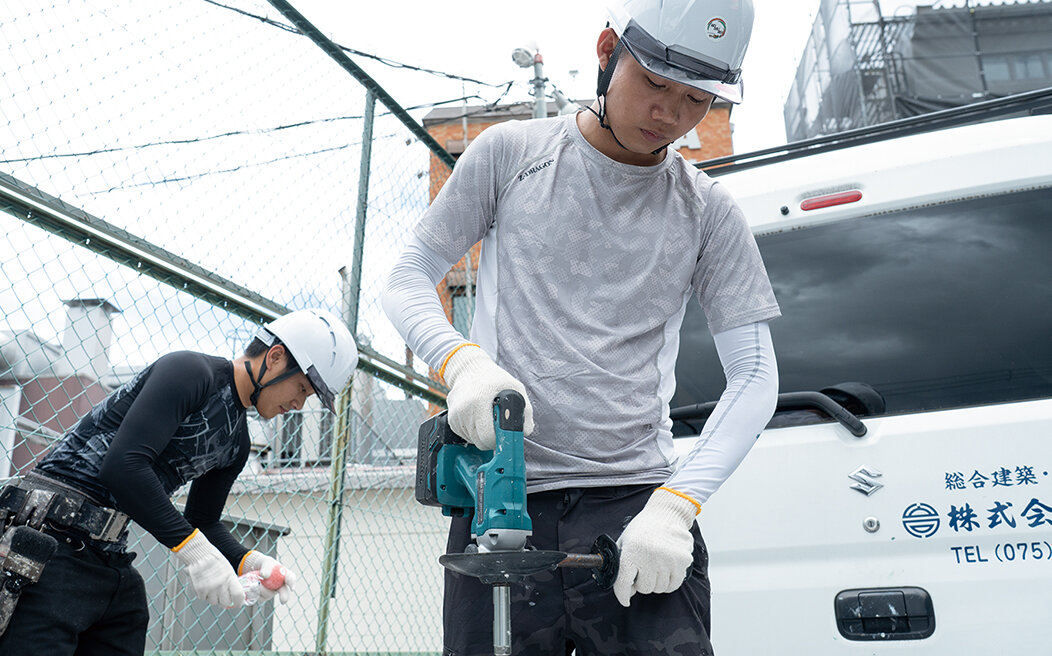
We spoke with LUAN and TINH, Vietnamese employees of the company, about their work and life in Japan, as well as their future goals.

ルアン
I felt very reassured because I was able to come to Japan and work with my childhood friend!
LUAN holds Specified Skilled Worker (ⅱ), became interested in the construction industry after a part-time Plastering job she did during summer vacation in high school. Coincidentally, she and her childhood friend TINH both passed the interview and came to Japan. "We supported each other during our dormitory life." She laughs as she recalls the time they tried to go to Osaka together on their first train ride, "We panicked when we ended up in the wrong place because we didn't know how to transfer." They are reliable friends from the same hometown.

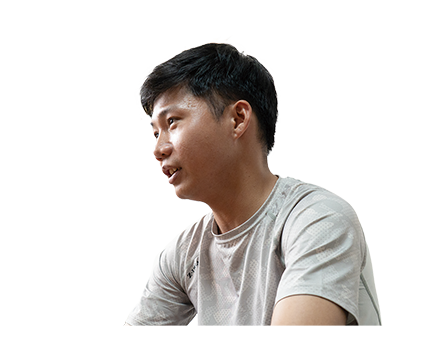
ティン
The fact that I didn't understand what "I don't understand" meant is now a funny story (lol).
When he came to Japan, he brought a month's worth of food with him, including fish sauce and instant ramen. He got used to Japanese food, but "I still don't like natto (fermented soybeans)." On the job, he didn't leave things he didn't understand unresolved, but instead kept trying, saying, "Please let me try again," and overcame his weaknesses. However, he struggled with the Kansai dialect. "I was confused by 'wakarahen' (I don't understand) (laughs)." He is a hardworking person who cares deeply for his family and worked hard with the goal of renovating his parents' house, which he successfully achieved.