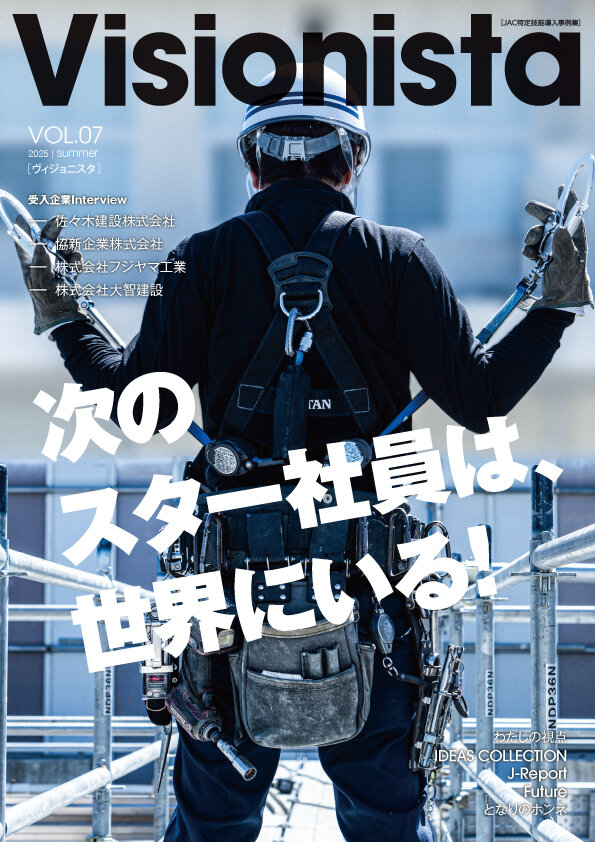
It is important to nurture young people with genuine care, regardless of their nationality.
2025.01.31


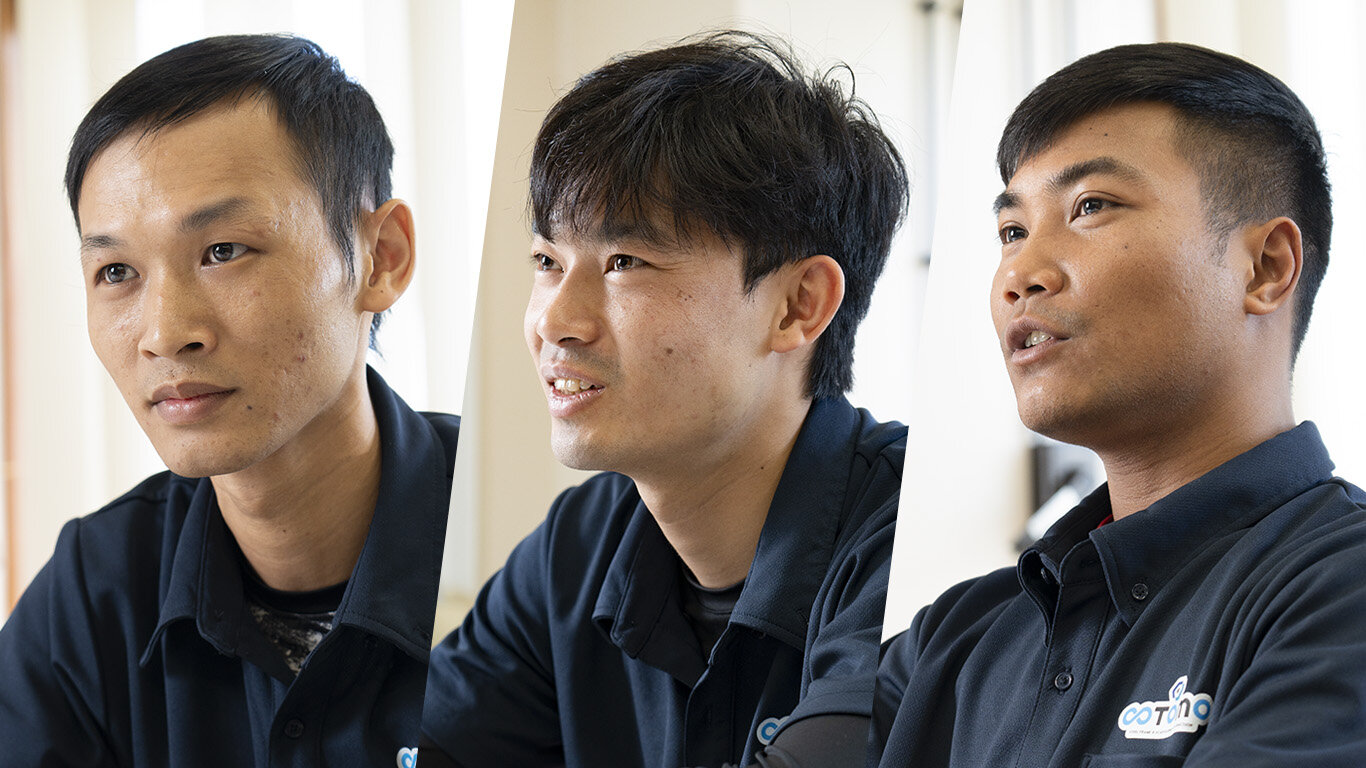
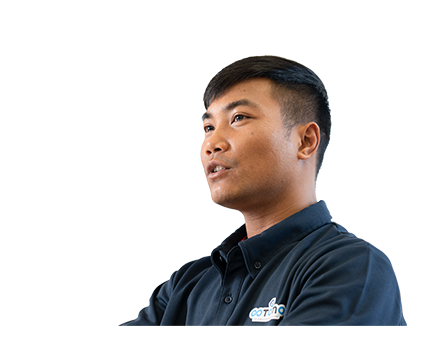
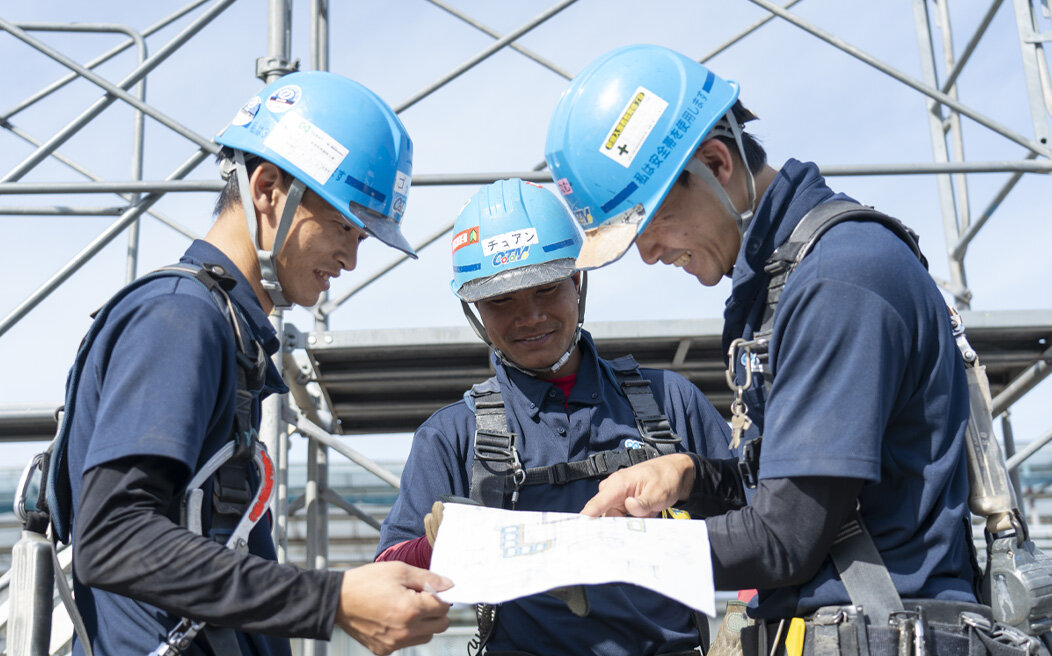
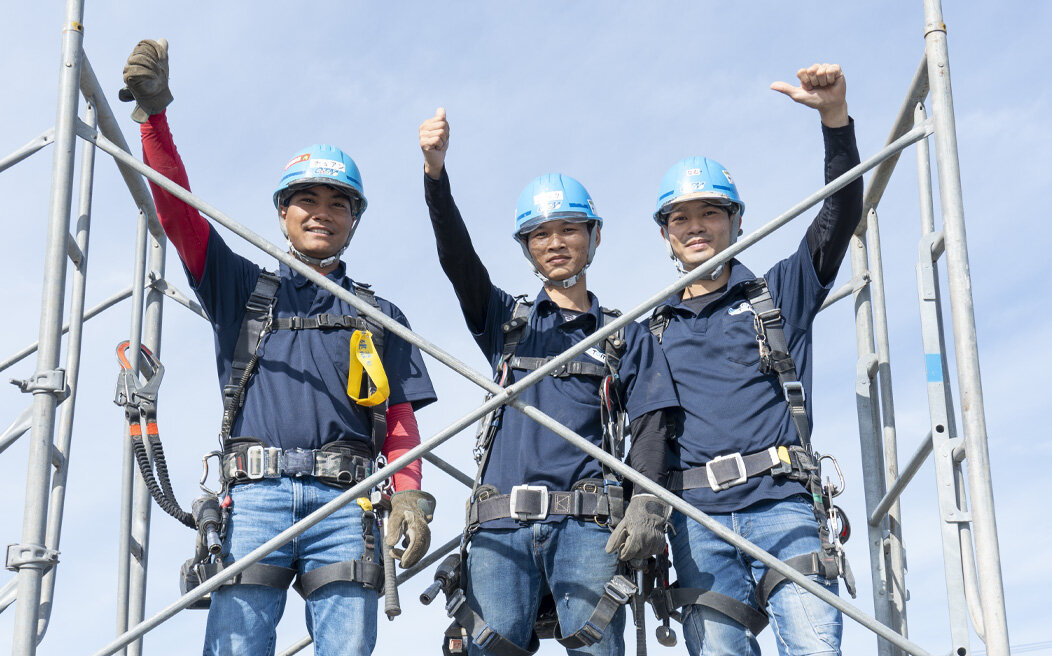
DAICHI CONSTRUCTION Co., Ltd., Ltd. in Aichi Prefecture began accepting foreign workers in 2018 and currently employs many foreign nationals. This time, we introduce the voices of the company's representative, Mr. Aoyama, and three Vietnamese employees. (Interview conducted on October 25, 2024)
Company Profile
| Location: | 27 Futatsudera Obata, Ama City, Aichi Prefecture |
|---|---|
| Business details: | Construction structural scaffolding work |
| Number of employees: | 37 people |
|
Acceptance status
Specified Skills: 9 people Technical Intern Training: 4 people (Vietnamese, Uzbek) |
|
| Website: | https://tobiootomo.com/ |
| Initial setup: | Dormitory accommodation, household appliances, Wi-Fi access, bicycles, employee cafeteria. |
Salary Image
- 特定技能(月額基本給)
約23万円
* Salary increases are available based on skill proficiency, etc., determined by attendance record, etc. Bonuses are also provided (twice a year). - Technical Intern Training (monthly basic salary)
Approximately 190,000 yen
Interview Host Companies
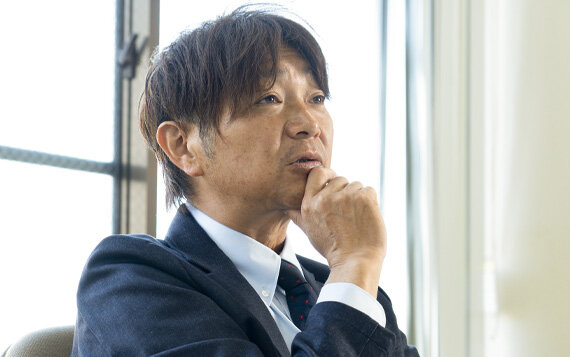
Representative Director
Takumi Aoyama
What were the reasons for deciding to accept them?
With the number of new recruits declining, we were struggling with how to pass on the skills and know-how we had cultivated over the years. That's when we started thinking about enlisting the help of young foreigners, and after actually visiting several countries, we found that Vietnam was still in the midst of economic growth and had a vibrant atmosphere in its cities. We also felt that the kind and honest nature of the people would be a good match for the Japanese, so we began accepting them.
What were the benefits of accepting it?
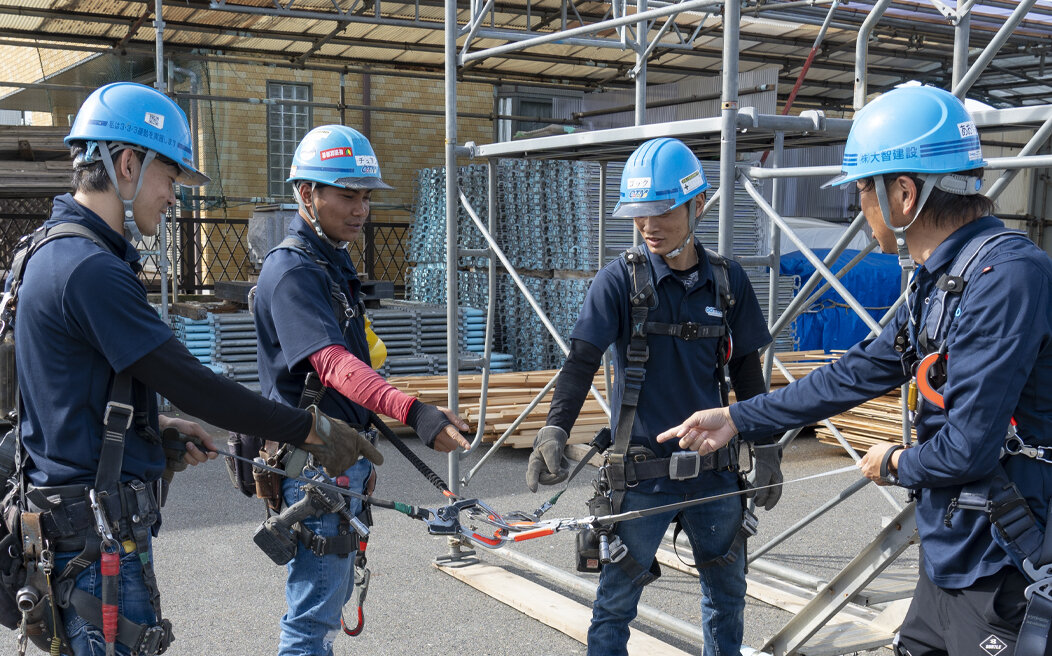
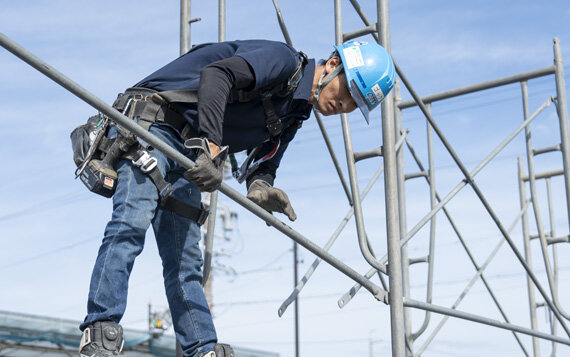
The work of Scaffolding mainly involves heavy lifting, and it's a profession that's better suited to younger people in terms of physical ability and stamina. This is just my opinion, but young Vietnamese people, in particular, have a good sense of balance and learn quickly. They are able to perform their duties without any problems even at high places with uneven footing, which is a great help.
What measures or precautions do you take after accepting them?
I always made an effort to communicate the risks of the work. My impression is that Vietnamese people tend to think of everything with a "it'll all work out somehow" mentality. This applies to work as well; they sometimes start working on tasks that are slightly dangerous or difficult without thinking too deeply about it, which can easily lead to injuries and accidents. So, at first, I would provide an interpreter to help them understand the risks of the work.
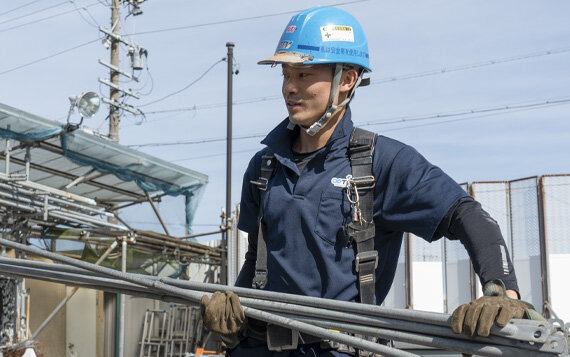
Please send a message to companies planning to implement this system.
In this day and age, regardless of whether someone is a foreigner or Japanese, if you continue to train them with old-fashioned methods, I think most people will end up quitting. Nationality isn't the issue; the key to a company's growth lies in creating an environment where people can work comfortably. I sometimes hear concerns like, "Will foreigners just disappear?" but that simply indicates dissatisfaction or problems. I think it's important to honestly confront these issues and re-examine your own company.
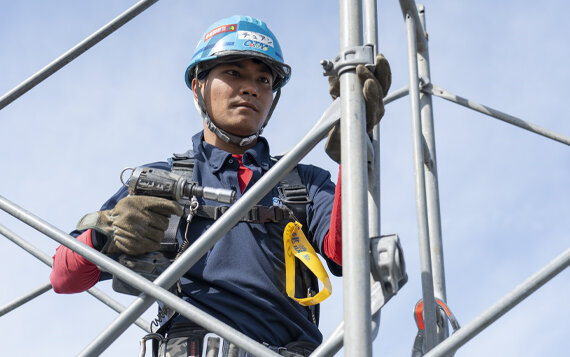
Voices from those working on-site
We spoke to three Vietnamese employees of the company about their work and life in Japan, as well as their future goals.

ゴック
Spending time with friends at the end of the day is a source of relaxation for me.
When asked what made her happy since starting work in Japan, NGOC said, "I feel secure because there are many Vietnamese people at my current company. And the president is very kind." She also mentioned that in Vietnam, people often gather at the homes of relatives and friends in the evenings, so in that sense, living in a dormitory was ideal. "The time we spend eating meals together and talking a lot is very therapeutic for me."

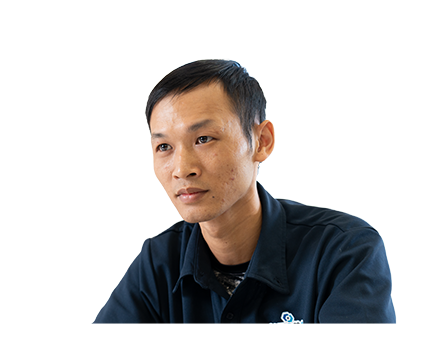
NAM
I'm able to do more things on my own, and I find my work more fulfilling.
When Nam first came to Japan, NAM struggled with the demands of work. "The hardest thing was that I got less sleep than I did in Vietnam." Despite that, he learned the ropes from his seniors on site, and now he can handle everything on his own. "Working at heights is inherently dangerous. But now I can prioritize safety in my work, and I've found it very rewarding."

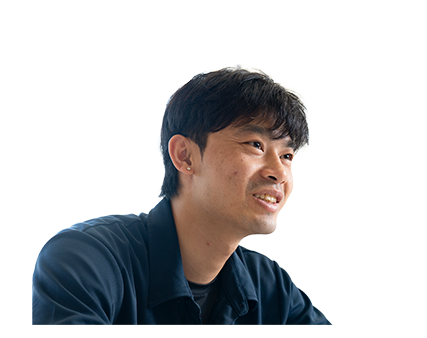
チュアン
Playing billiards with my friends is the happiest time for me!
CHUAN, who served in the Vietnamese army for two years, was confident in his physical strength, but work was a different story. "It was tough until I got used to it, but everyone was kind and taught me the ropes." He's good at billiards, and he asked the company president to install a table in the dormitory. "I play with everyone every day, and it's the best dormitory life ever (laughs)."